What if exploring world-class coral reefs didn’t require an official certification or months of training? An introductory scuba dive Red Sea excursion isn’t an unassisted test of endurance. It’s a fully guided, tranquil introduction to the marine realm designed specifically for first-timers.
It’s completely natural to feel a flutter of apprehension about breathing underwater or balancing ear pressure during a descent. Many travelers also question whether non-certified swimmers can legally dive, or worry about standard medical clearance rules. Those hesitations are entirely valid, and strict safety standards ensure you never have to manage the ocean alone.
In this guide, you’ll learn the exact chronological flow of your first dive day, foundational equalisation techniques, and how direct instructor supervision keeps every breath calm. We’ll preview the complete journey from the morning deck briefing to gliding alongside vibrant marine life, giving you total peace of mind before you take the plunge.
Key Takeaways
- Discover how a non-certification introductory scuba dive Red Sea adventure works, from morning equipment fittings to your first underwater breaths on shallow reefs.
- Learn simple, proven techniques for equalising ear pressure and maintaining slow diaphragmatic breathing to stay calm throughout your descent.
- Understand the strict safety guidelines and low instructor-to-student supervision ratios enforced by the CDWS to keep novices protected.
- Find out how to verify recognized agency accreditations across PADI, SSI, SDI, and CMAS before selecting a trusted Hurghada dive center.
- Review crucial post-dive protocols, including medical screening standards and why you must wait 18 to 24 hours before flying home.
What Is an Introductory Scuba Dive in the Red Sea?
An introductory scuba dive isn’t a complex licensing exam or an endurance test. It’s a carefully structured, non-certification experience created for absolute beginners who want to explore beneath the surface without committing to a full multi-day course. You don’t need previous diving experience, and you don’t need technical ocean expertise to participate. Instead, you’re paired directly with a professional dive instructor who manages your equipment, guides your depth, and stays at your side throughout the entire dive.
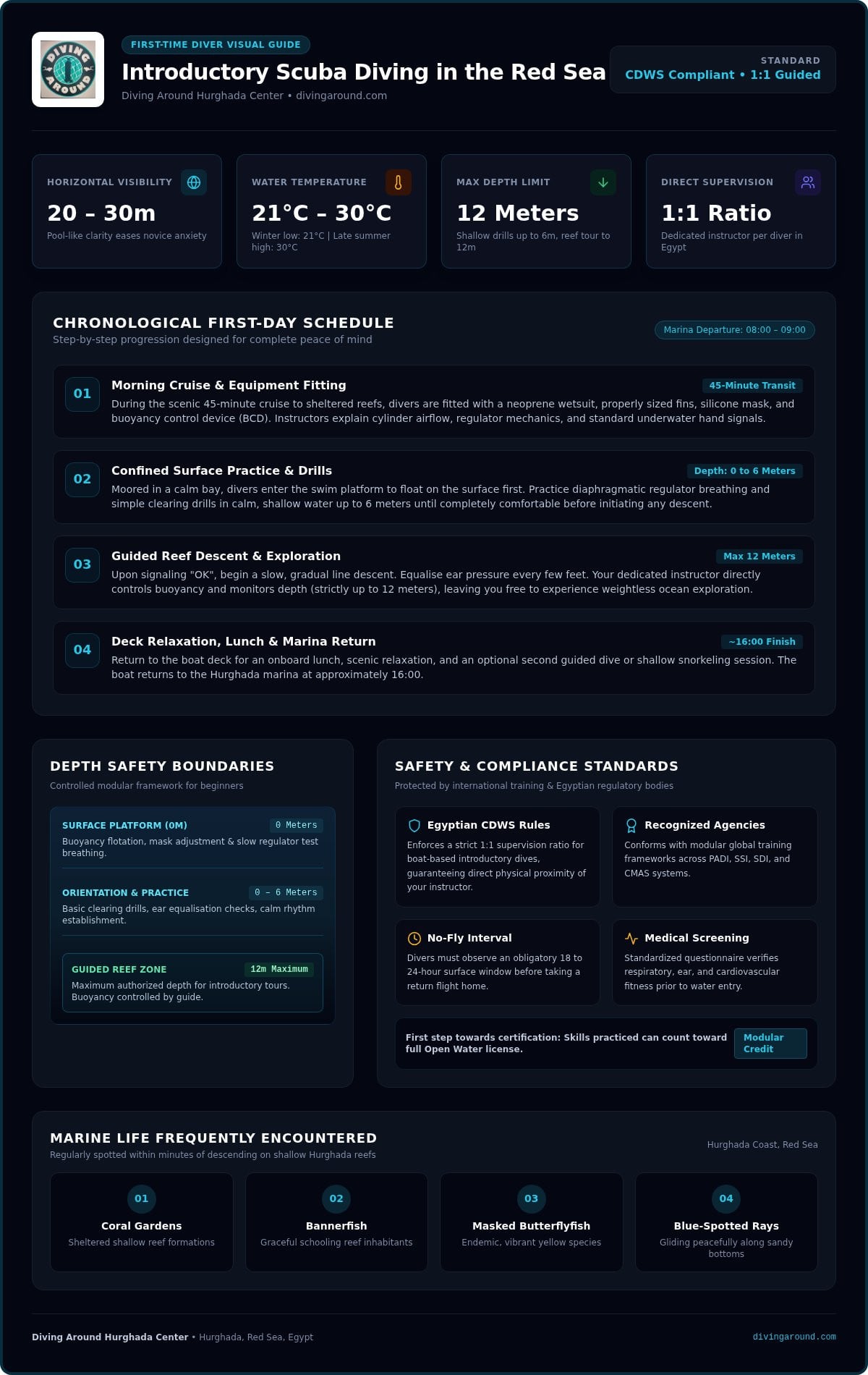
Booking an introductory scuba dive Red Sea session lets you experience true weightlessness in one of the planet’s premier marine environments. Across Hurghada, calm coastal conditions combine with warm surface waters ranging from 21°C in winter to 30°C in late summer. Paired with outstanding horizontal visibility that routinely stretches between 20 and 30 meters, the setting naturally eases first-time jitters.
This is guided ocean exploration at its most reassuring. Because certified professionals manage buoyancy control and navigation, beginners can relax and marvel at their surroundings. As established under international standards, an introductory scuba diving experience bridges the gap between curiosity and real ocean adventure, keeping every step controlled and relaxed.
The Discovery Diving Framework Explained
Introductory diving follows standardized safety frameworks established by global agencies such as PADI, SSI, CMAS, and SDI. Unlike a permanent certification, an introductory dive provides a single-day taste of the underwater world under close supervision. You’ll complete a brief orientation, practice essential breathing and clearing drills in calm, shallow water up to 6 meters, and then enjoy a guided reef tour down to a maximum of 12 meters. If you later choose to pursue a full license, your introductory dive skills can often count as the first modular step toward your Open Water certification.
Why the Red Sea Is Ideal for Beginners
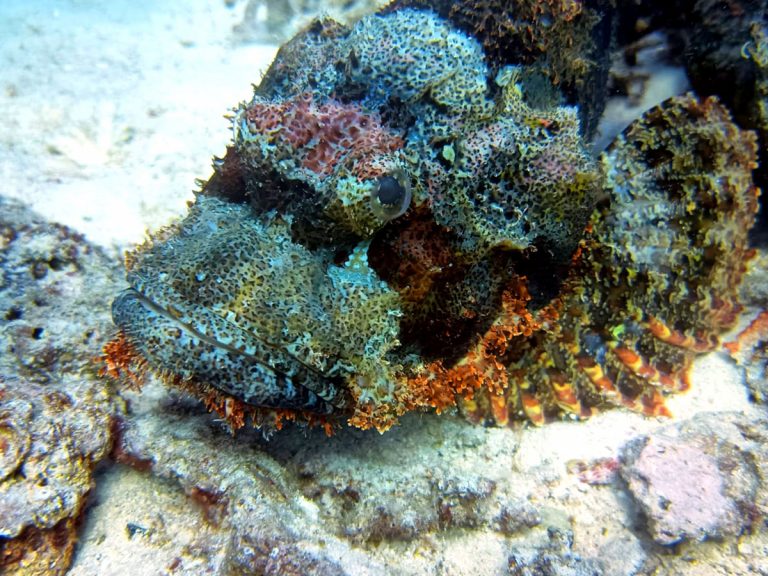
The Red Sea offers some of the friendliest training conditions on earth. Sheltered reefs around Hurghada shield beginners from strong currents and ocean swell, creating pool-like conditions in open water. Exceptional clarity lets you spot marine life from dozens of meters away, which significantly lowers anxiety. Within minutes of descending, novice divers regularly encounter flourishing coral gardens, bannerfish, masked butterflyfish, and blue-spotted rays, all thriving in a remarkably serene environment.
Step-by-Step Overview of Your First Red Sea Dive Day
What does a beginner dive day actually feel like? Dive boats in Hurghada typically depart the marina between 08:00 and 09:00, heading toward calm, sheltered reefs. An introductory scuba dive Red Sea trip follows an unhurried, step-by-step progression designed to eliminate pressure. Every phase, from stepping on deck to your final surface return, centers on personal comfort and total peace of mind.
Morning Safety Briefing and Equipment Fitting
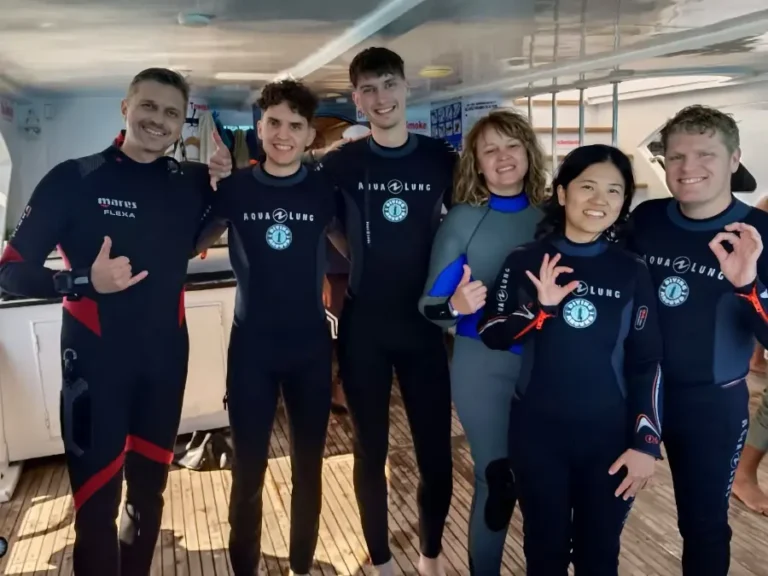
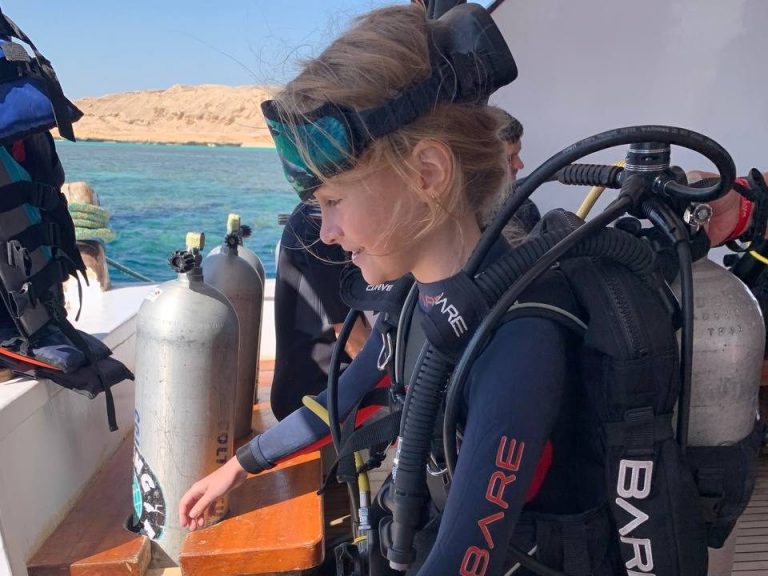
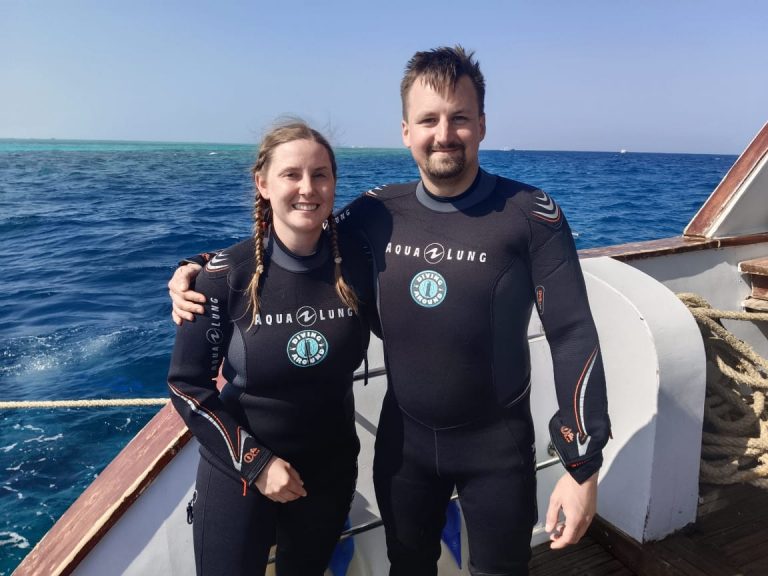
During the gentle 45-minute cruise, the dive team fits your gear: a comfortable neoprene wetsuit, properly sized fins, a silicone mask, and a buoyancy control device (BCD). Your instructor explains how cylinder air flows through your regulator and reviews intuitive underwater hand signals. Professional operations follow recognized Discover Scuba Diving safety standards, giving you plenty of time to ask questions before anyone enters the water.
Confined Surface Breathing Practice
Once the boat is securely moored in a sheltered bay, you gear up and ease onto the swim platform. You won’t dive straight down. First, you float on the surface, place your face in the clear water, and breathe through your regulator. Your instructor demonstrates simple clearing techniques and watches closely while you settle into a steady, rhythmic breathing pattern. You only begin descending when you feel entirely composed.
Guided Reef Exploration and Descent
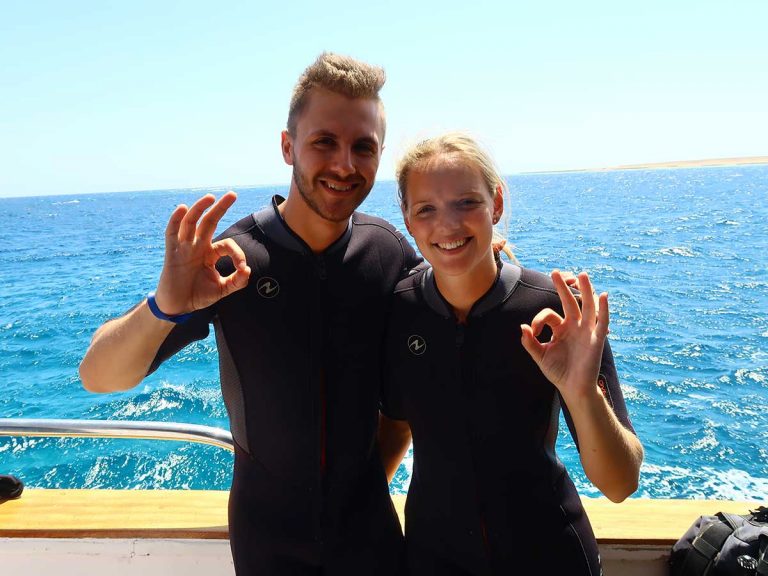
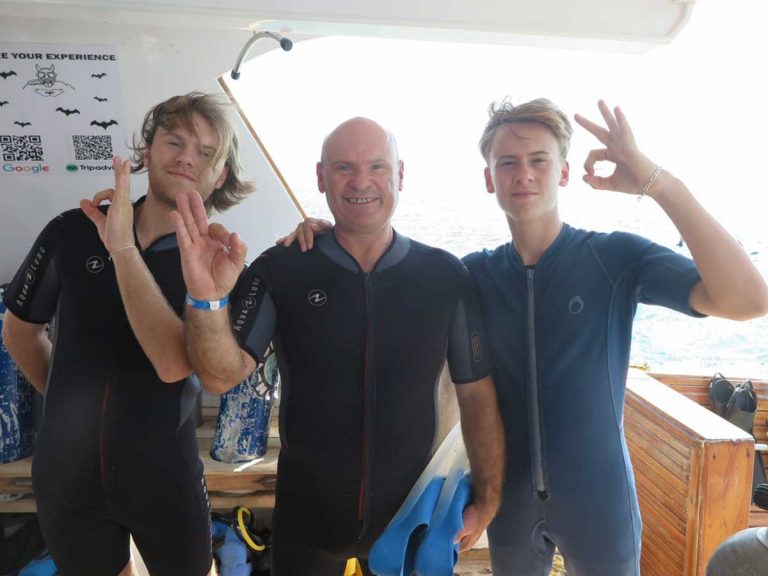
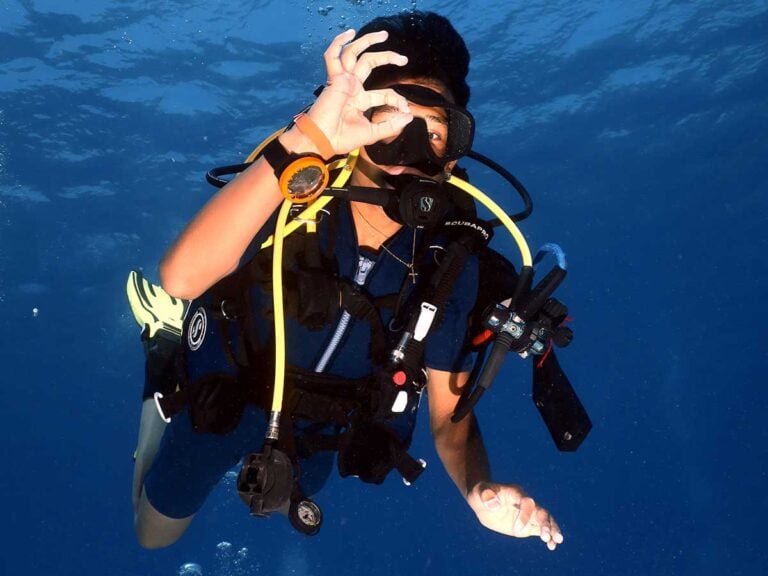
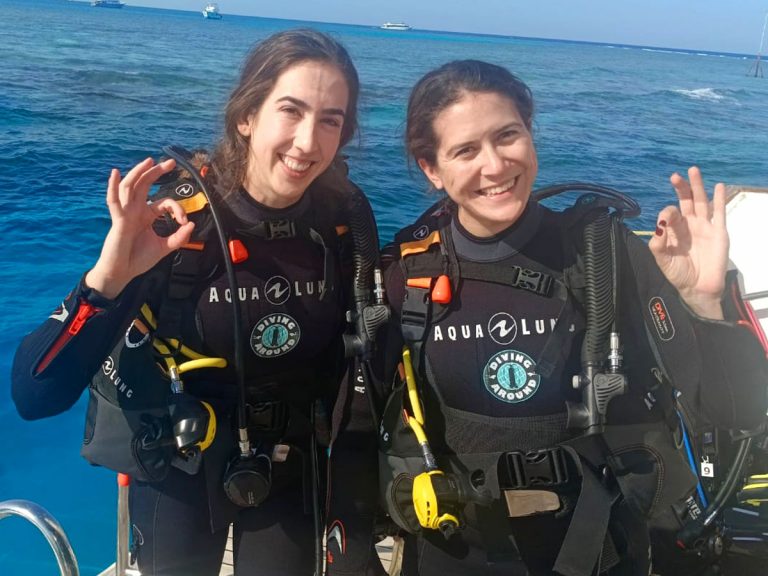
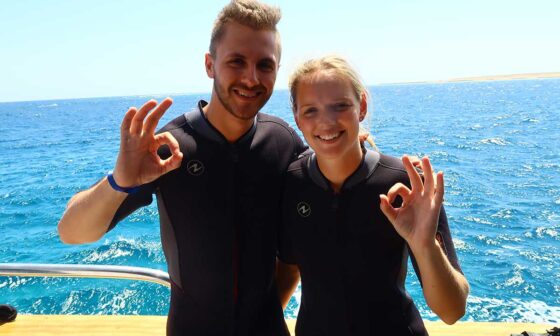
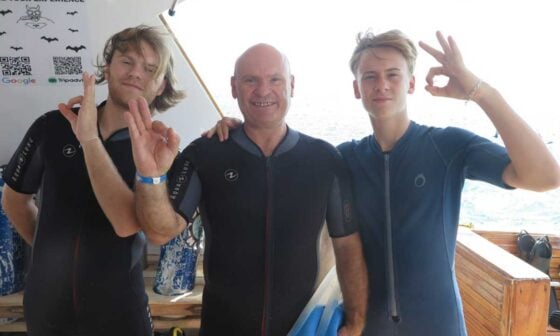
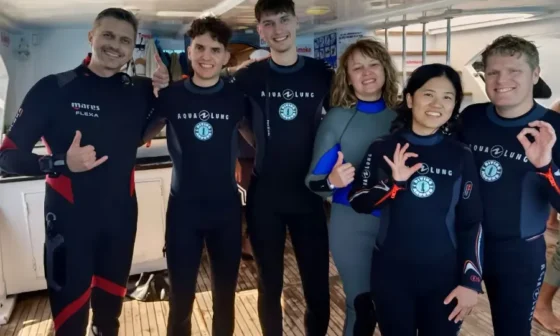
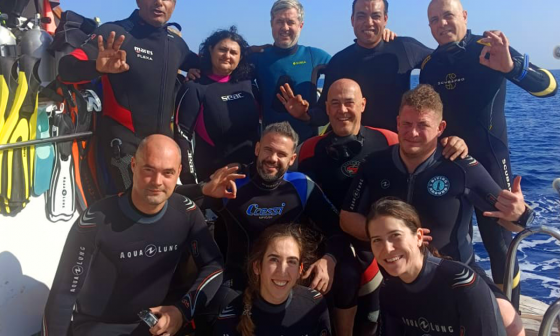
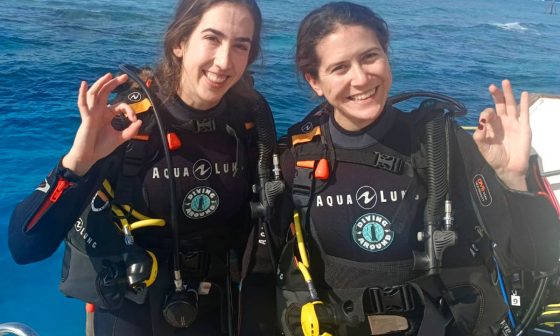
When you give the thumbs-and-fingers “OK” signal, your gradual descent begins. Under Egyptian CDWS regulations, boat-based intro dives maintain a strict 1:1 ratio, meaning your instructor stays right beside you. You glide slowly down a line, equalising your ears every few feet. Your guide controls your buoyancy and monitors depth within safe limits up to 12 meters, leaving you free to enjoy the panoramic marine views.
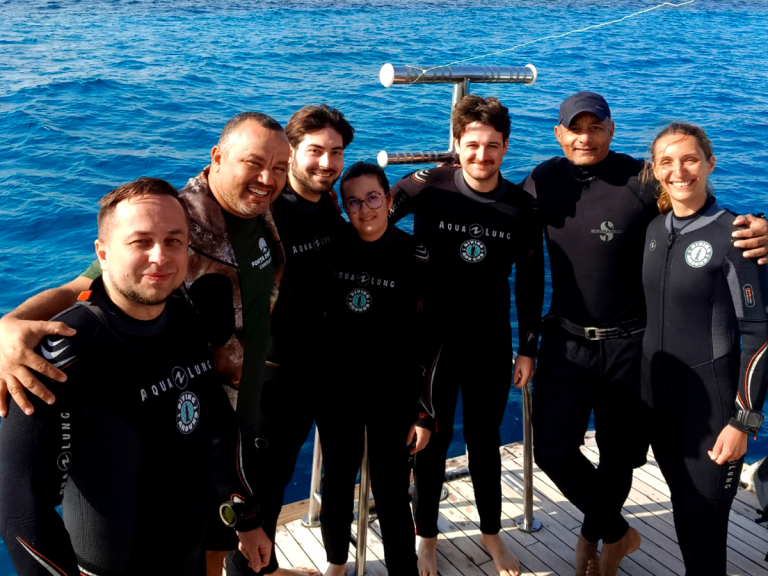
After your dive, you’ll relax on deck, enjoy an onboard lunch, and perhaps take a second guided dive or snorkel before returning to the marina around 16:00. If you want a patient, step-by-step introduction to the underwater world, you can explore a guided Discovery Diving – DSD experience with Diving Around Hurghada Center for dedicated professional supervision throughout your day.
Essential Underwater Skills and Anxiety Manhttps://divingaround.comagement
Breathing underwater feels unnatural at first, but your equipment does all the heavy lifting. A standard scuba regulator delivers air automatically at the exact ambient pressure you need. Your single most vital task is simple: keep breathing continuously and never hold your breath. As long as you breathe slowly and smoothly, your body stays relaxed and your dive remains safe.
During an introductory scuba dive Red Sea session, maintaining calm respiration protects fragile coral reef ecosystems by preventing sudden, jerky kicks. Water droplets inside your mask won’t ruin your dive, either. If water seeps in, press the top frame gently against your forehead, tilt your head slightly upward, and exhale steadily through your nose. The air pushes the water out the bottom skirt in seconds.
Mastering Ear Equalization Without Discomfort
Water pressure increases most rapidly in the shallowest zone. Between the surface and 10 meters, ambient pressure doubles from 1 bar to 2 bar. That rapid change compresses air spaces in your middle ear. To equalize, use the Valsalva maneuver: gently pinch your nostrils closed through the soft nose pocket of your mask and blow softly against them with your mouth closed. Equalize early and often, ideally every meter on descent, long before your ears feel tight.
Calm Breathing and Overcoming Apprehension
If your heart beats faster or your chest tightens, don’t panic. You’re never stranded alone. Recognize the tension, stop kicking, and signal your instructor by moving a flat hand palm down in a side-to-side wobble. Focus on deep, slow exhalations through your mouth to clear accumulated carbon dioxide and trigger a calming nervous response. Your instructor will readily hold your hand or stabilize your harness until your pulse settles.
- Breathe continuously: Inhale and exhale in a slow, rhythmic cycle without pauses.
- Equalize early: Pop your ears at the surface and with every downward arm stroke.
- Communicate clearly: Use standard hand signals instead of trying to speak.
- Rely on your guide: Let your instructor handle depth changes while you focus on staying relaxed.
How to Choose a Safe Red Sea Dive Center
Selecting an operator isn’t just about comparing marketing photos or booking the cheapest tour on an aggregator site. Your safety and peace of mind depend entirely on the operational discipline of the team supervising you. When planning an introductory scuba dive Red Sea outing, you need transparent answers about agency accreditations, supervision limits, and onboard emergency protocols before you confirm your reservation.
Every reputable facility in Egypt must hold official licensing from the Chamber of Diving and Watersports (CDWS). Beyond national regulatory approval, reputable centers affiliate directly with established international diver training federations such as PADI, SSI, CMAS, or SDI. These global affiliations ensure standardized safety curricula, structured risk assessments, and rigorous instructor ethics.
Supervision Ratios and Instructor Accreditations
Never accept crowded group diving as a novice. While certified divers often explore in groups of four to six, uncertified beginners require dedicated attention. Under CDWS regulations, boat-based introductory dives must follow a strict 1:1 supervision ratio, providing one fully certified instructor for each beginner. Ask your dive center directly about their ratios. If an operator combines several uncertified novices under a single guide during a boat dive, look elsewhere.
Verify that your dive team maintains active, renewed teaching status with their respective agency. Reputable instructors welcome questions about their background, explain safety protocols without rushing, and never cut briefings short to fit a rigid boat timetable.
Vessel Safety and Equipment Integrity
A center’s safety culture shows clearly in its vessel maintenance and equipment care. Before heading out, confirm that the day boat carries the necessary marine safety equipment. Scrutinize the staging deck and look for key operational indicators:
- Emergency oxygen: Functional demand-valve oxygen units and comprehensive first-aid kits must be present onboard.
- Maritime safety gear: Inspect the vessel for serviceable life jackets, life rafts, and functioning VHF marine radio units.
- Cylinder testing: Tanks should show valid hydrostatic testing stamps, clear visual inspection decals, and clean valve seals.
- Gear condition: Regulators and buoyancy jackets should appear clean, well-serviced, and free of salt encrustation.
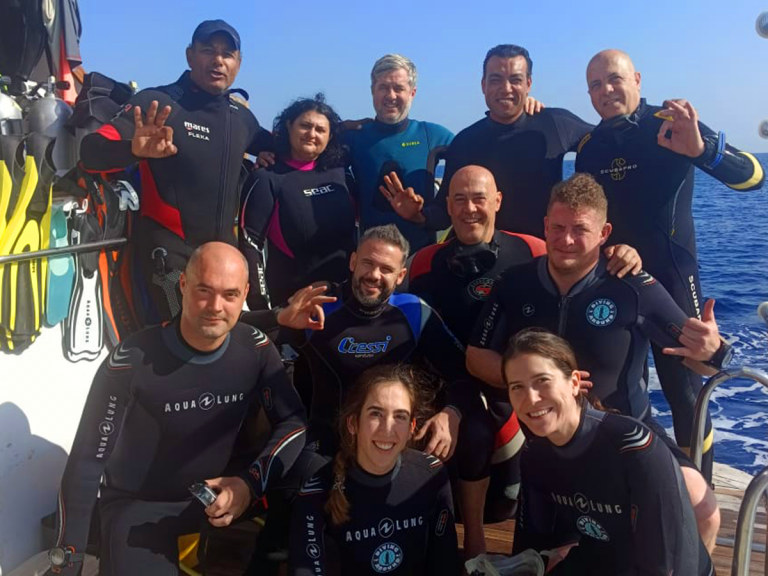
Diving Around Hurghada Center was founded in 2002, bringing decades of training experience across PADI, SSI, CMAS, and SDI standards with an unwavering focus on guest comfort. To experience the reefs under meticulous, dedicated supervision, book your Discovery Diving session with our seasoned team.
Preparing for Your First Dive and Future Steps
Preparation sets the tone for a completely stress-free adventure. A little forethought ensures your body is well-rested, your schedule accommodates essential safety intervals, and your paperwork is in order before boarding. Planning an introductory scuba dive Red Sea adventure is straightforward once you know how to organize your day.
Medical Screening and Holiday Planning
Every participant must complete a standard Diver Medical Questionnaire recognized by WRSTC, UHMS, and DAN prior to diving. If you indicate “yes” to any underlying condition, such as asthma, cardiovascular issues, or active sinus trouble, you’ll need a signed clearance form from a licensed physician before entering the water. Honest disclosure ensures instructors can look after your specific physiological needs.
Holiday timing matters just as much. Absorbed nitrogen needs time to off-gas safely, which is why Divers Alert Network guidelines require waiting at least 12 hours after a single dive and 18 to 24 hours after two dives before boarding an airplane. Schedule your dive day near the beginning of your Hurghada stay rather than the final afternoon. Pack reef-safe sunscreen, drink plenty of water, and avoid alcohol the night before your excursion.
From Discovery Dive to Certified Diver
A single day below the surface often sparks an enduring passion for ocean exploration. The foundational habits you practice during a discovery session, from mask clearing to steady breathing, remain relevant for your entire diving life. Under PADI and SSI frameworks, skills practiced during an introductory dive can often count toward your formal Open Water Diver certification if credited within agency timelines.
Completing a full certification course expands your horizons, licensing you to dive with a buddy to depths of 18 meters worldwide. When you’re ready to explore the underwater world, connect with Diving Around Hurghada Center to start your journey with patient instructors who prioritize safety and personal attention.
Take Your First Underwater Breaths with Confidence
Taking your first plunge into the ocean doesn’t have to feel intimidating. An introductory scuba dive Red Sea adventure gives you complete peace of mind through structured surface practice, gentle ear equalization, and dedicated one-on-one instructor supervision. You get to leave equipment management and depth control to seasoned professionals while you glide weightlessly above pristine coral reefs.
Founded in 2002 with more than two decades of dedicated Red Sea diver training, Diving Around Hurghada Center provides patient, protective mentorship focused entirely on personal comfort and safety. Holding certified training credentials across PADI, SSI, CMAS, and SDI federations, our team ensures you receive attentive, individualized guidance from your morning briefing to your afternoon return. Ready to experience the quiet wonder of the deep? Book your beginner Red Sea dive with Diving Around Hurghada Center and let our mentors guide your very first underwater journey.
Frequently Asked Questions
Can I do an introductory scuba dive in the Red Sea if I cannot swim well?
Yes, you can complete an introductory scuba dive without being a strong swimmer. Basic comfort in the water is required, but you don’t need to pass swim tests or perform technical strokes. Your buoyancy jacket keeps you floating effortlessly at the surface, and your instructor directly manages your movement underwater. If you feel comfortable relaxing in the water, you can safely participate.
How deep do you go during a first-time discovery scuba dive?
First-time discovery dives reach a maximum depth limit of 12 meters (40 feet). Initial skill rehearsals take place in shallow water no deeper than 6 meters. In Hurghada, most introductory dives stay comfortably between 6 and 10 meters. This shallow zone offers abundant natural sunlight, vivid coral colors, and gentle pressure on your ears, creating the ideal setting for nervous beginners.
What happens if I feel uncomfortable or panic while underwater?
If you feel uneasy underwater, simply signal your instructor and they will assist you immediately. Boat-based introductory dives in Egypt adhere to a direct 1:1 instructor ratio, so your guide stays right beside you. They can pause your descent, help you equalize, hold your hand, or slowly guide you to the surface. You’re always in complete control, and ending a dive early is completely fine.
Can I fly home on an airplane immediately after an introductory scuba dive?
No, you must wait before boarding a commercial flight after diving. Flying exposes your body to reduced cabin pressure, which can trigger decompression issues if excess nitrogen remains in your body. Wait at least 12 hours after a single dive. If you complete two dives during your introductory scuba dive Red Sea trip, plan for a mandatory 18-hour surface interval, though waiting 24 hours is best practice.
What medical conditions require doctor clearance before an introductory dive?
Any history of asthma, cardiovascular disease, chronic sinus congestion, fainting, or recent major surgery requires written physician clearance. Before gearing up, every participant completes a standard WRSTC Diver Medical Questionnaire. Answering “yes” to any medical condition doesn’t automatically disqualify you, but Egyptian regulations require a signed clearance from a licensed doctor before an instructor can take you into open water.
Does an introductory scuba dive count toward my Open Water certification?
Yes, skills completed during an introductory dive can often be credited toward your entry-level certification. Under training standards from agencies like PADI, SSI, and SDI, your discovery dive covers essential safety skills found in the first module of the Open Water course. If you decide to continue your training, Diving Around Hurghada Center can seamlessly apply your intro experience directly toward your full worldwide license.
What marine life will I typically spot during a Red Sea beginner dive?
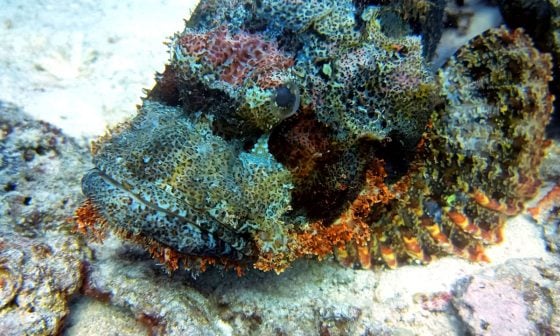
Red Sea beginner reefs are bustling with hundreds of colorful reef fish and healthy hard and soft corals. During your introductory scuba dive Red Sea excursion, you’ll regularly glide past clownfish in sea anemones, blue-spotted ribbontail rays resting on sand patches, parrotfish, lionfish, and schools of masked butterflyfish. Because shallow Hurghada reefs receive intense sunlight, you enjoy brilliant natural visibility without needing deep descents.