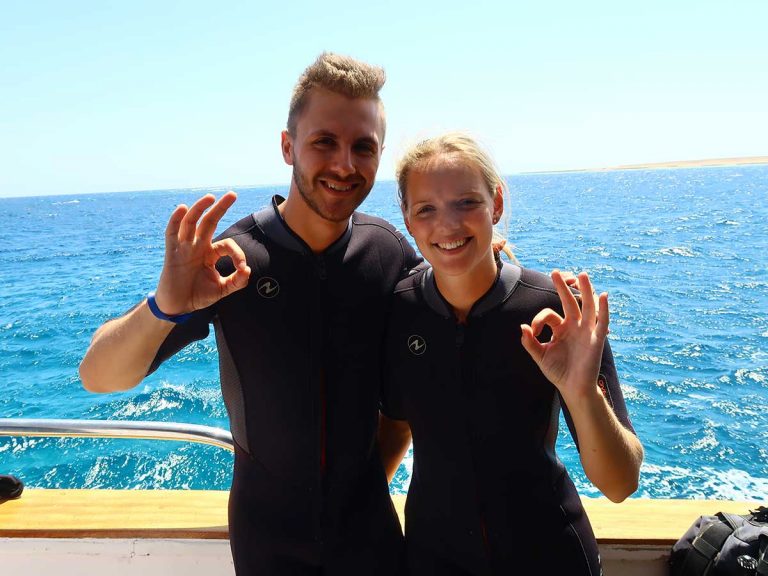
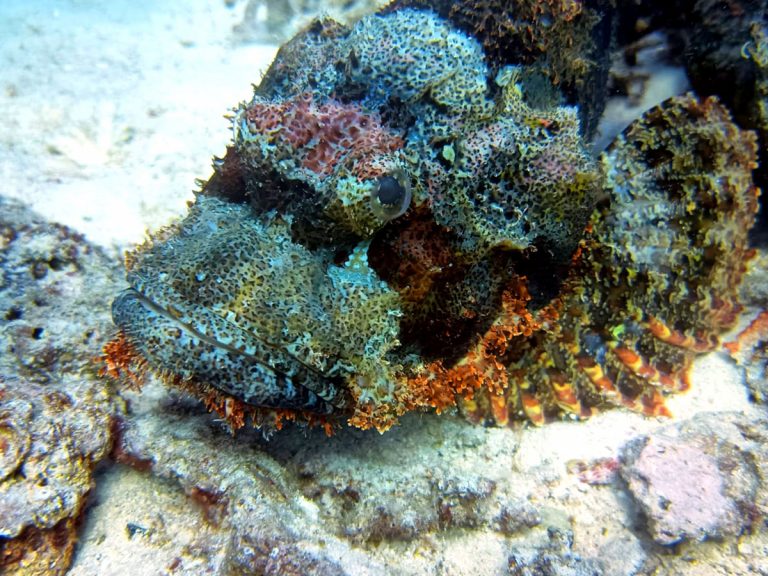
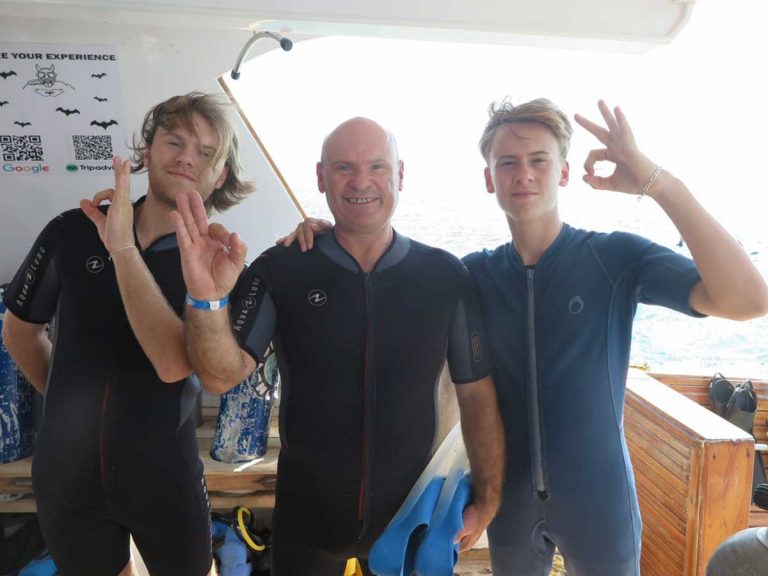
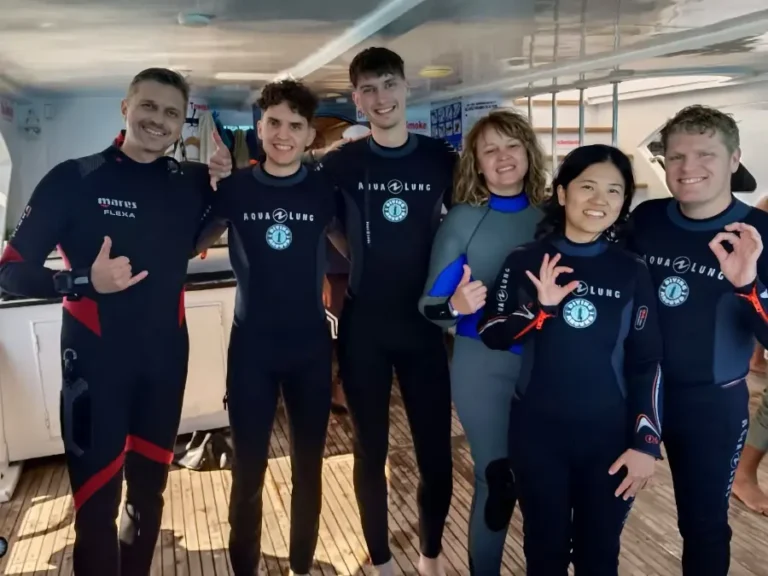
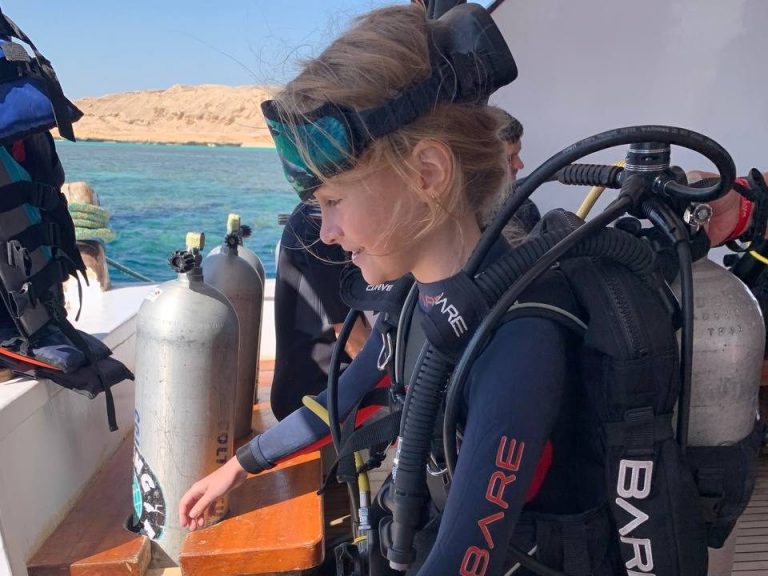
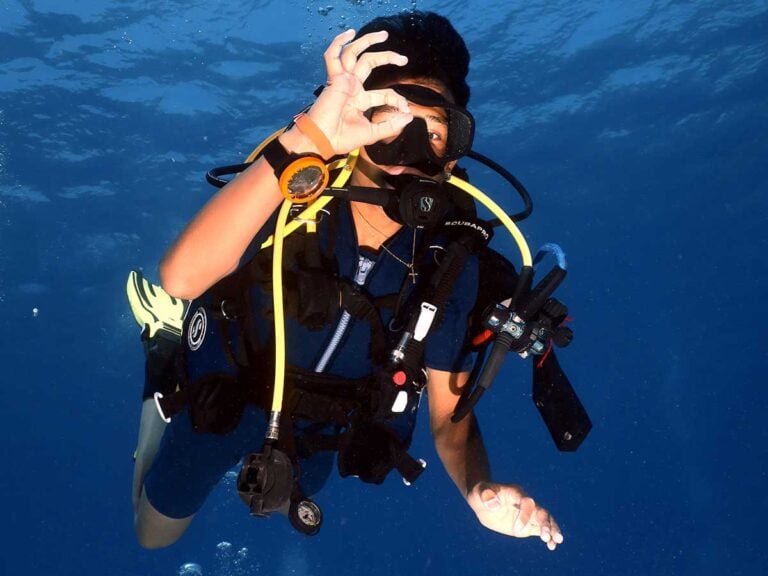
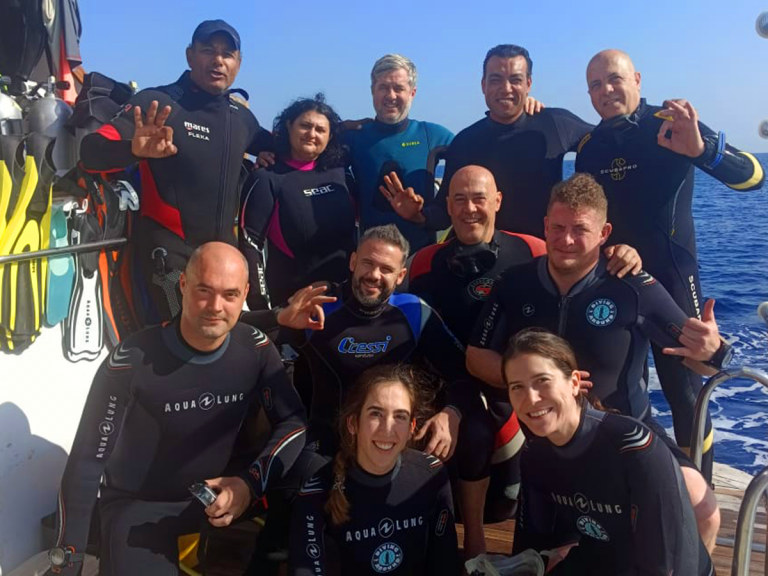
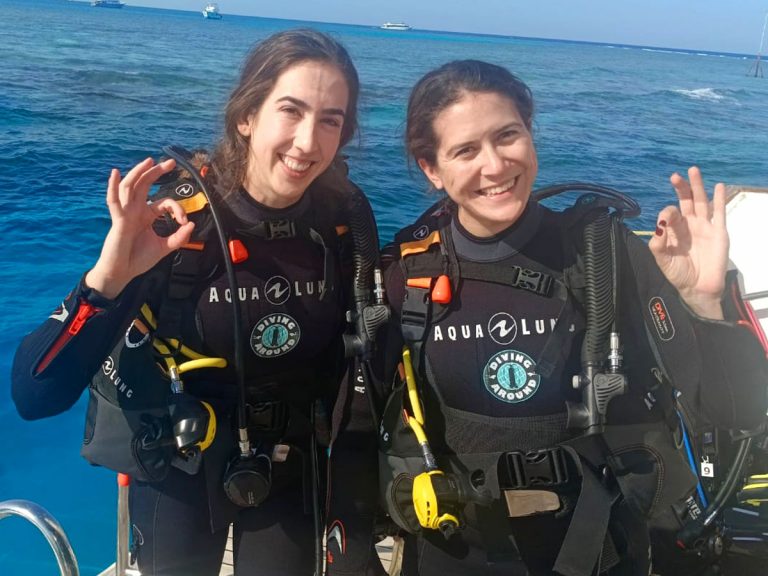
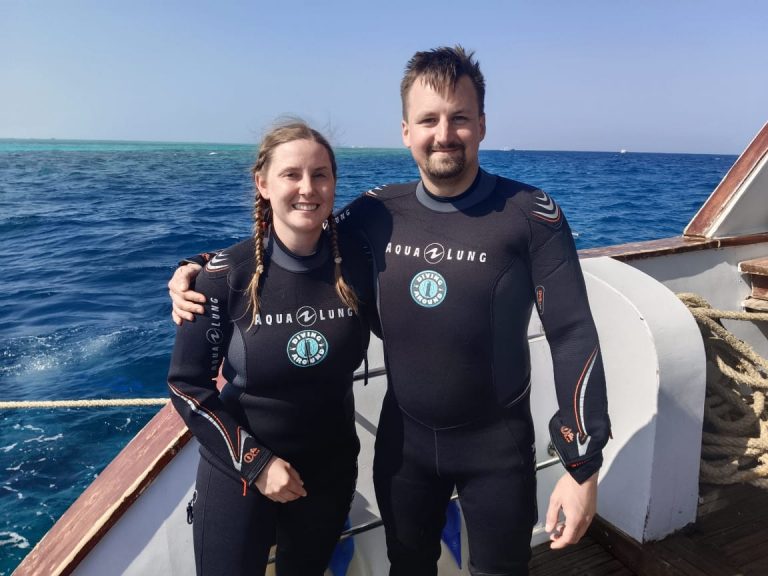
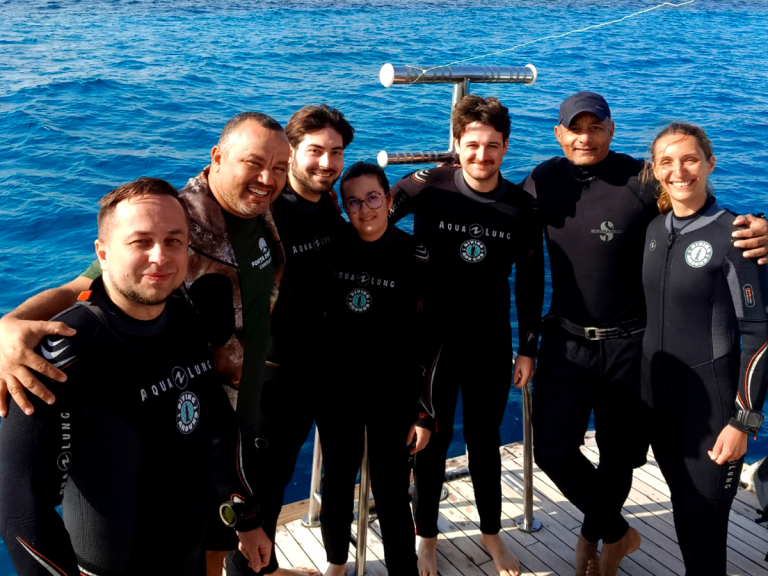
Yes — a check dive in Hurghada is highly recommended if you haven’t been diving for six months or more. 🌊 While not always mandatory, it’s considered a good practice by many dive centers. At Diving Around Hurghada Center, returning divers can complete a check dive to refresh important skills and regain confidence before joining Red Sea Dives.
A check dive in Hurghada (also called a scuba refresher or reactivation dive) helps you regain confidence, re-familiarize yourself with equipment, and review essential skills such as buoyancy control, mask clearing, and emergency procedures. This is especially important in the Red Sea, where dive sites like Elphinstone or Dolphin House involve currents and deeper depths that aren’t ideal for rusty divers.
In this comprehensive guide, we’ll answer every question you might have:
- Why a check dive matters after a long break
- What actually happens during a check dive in Hurghada
- How long your break can be before a refresher becomes necessary
- Whether you can skip it — and what risks that carries
- Real-life examples from divers who returned after years away
We’ll also include insights from Diving Around, one of Hurghada’s most trusted PADI and SSI-certified centers, and explain how their approach ensures safety without compromising fun.
Let’s dive in. 🐠🤿
What Is a Check Dive in Hurghada?
A check dive in Hurghada is a short, supervised dive designed to assess your current skill level after a period of inactivity. It’s not a full course. Instead, it’s a practical session led by a certified instructor in calm, shallow water — usually between 5 and 12 meters deep.
Think of it as a “warm-up” before joining regular boat trips to famous reefs and wrecks. Most dive operators in Hurghada offer this service, especially for guests who haven’t dived in over six months.
During the dive:
- You’ll perform basic scuba skills underwater
- The instructor will observe your buoyancy, trim, and breathing
- Communication and buddy awareness will be checked
- Any weak areas can be corrected on the spot
This process ensures you’re ready for more challenging dives later in the week.
💡 Fun Fact: Many divers confuse a check dive with the Discover Scuba Diving (DSD) program. But they’re different. DSD is for non-certified beginners. A check dive in Hurghada is only for certified divers returning after time off.
According to Diving Around, a leading diving Hurghada center, “All divers who haven’t dived in the last year are encouraged to do a refresher dive. Safety comes first — especially in dynamic environments like the Red Sea.”
Why Is a Check Dive Important After a Long Break?
First, let’s be honest: diving skills fade. Even if you’ve done 50 dives before, your muscle memory weakens after months without practice.
Imagine getting back on a bike after five years. You’ll probably wobble at first. Scuba diving is similar — but the stakes are higher. Underwater, small mistakes can lead to big problems.
Here’s why a check dive in Hurghada makes sense:
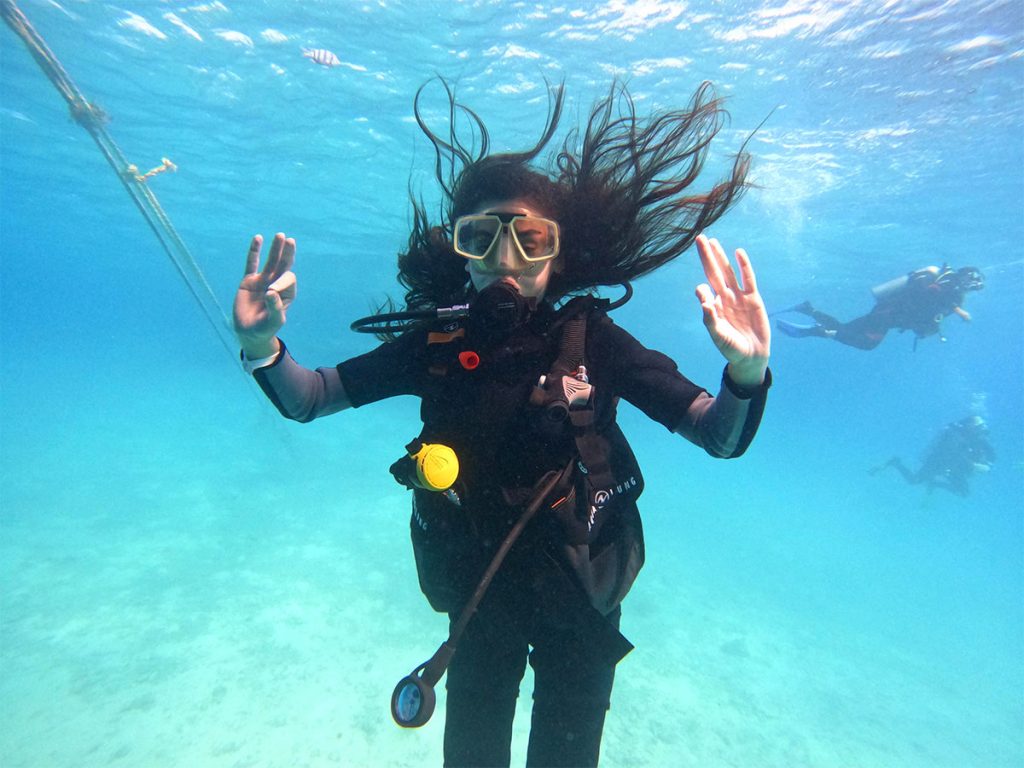
1. Buoyancy Control Gets Tricky
Poor buoyancy is the #1 cause of reef damage in protected areas like Giftun National Park. 🐠
Without recent practice, many divers hover too close to coral or struggle to maintain neutral buoyancy.
A refresher helps you re-learn how to adjust your BCD and lungs smoothly.
2. Emergency Skills Fade Fast
Skills like regulator recovery, mask clearing, or controlled emergency swimming ascent (CESA) are rarely used. But when needed, they must be automatic.
After a long break, these reactions slow down. A check dive brings them back.
3. Equipment Feels Unfamiliar
New gear, different wetsuits, or even updated tank valves can feel strange after time away. A shallow check dive lets you get comfortable before deeper excursions.
4. Dive Centers Have Safety Policies
Most reputable diving Hurghada centers follow PADI guidelines. While PADI suggests a refresher after two years, many operators — including Diving Around — recommend one after just six months.
This isn’t about profit. It’s about liability, insurance, and guest safety.
📌 Real Example (2024): A diver from Germany returned to Hurghada after three years. He skipped the suggested check dive. On his first boat trip, he panicked during descent due to ear equalization issues. The dive had to be aborted. His instructor later said: “Five minutes in calm water would’ve prevented this.”
How Long of a Break Requires a Check Dive?
There’s no universal rule. But here’s a practical breakdown used by most diving Hurghada centers:
| 0–6 months | No check dive needed ✅ |
| 6–12 months | Strongly recommended 💡 |
| 12–24 months | Highly advised ⚠️ |
| Over 2 years | Almost always required ❗ |
While PADI’s official stance is that a refresher is optional until two years, local conditions in Hurghada often justify earlier intervention.
For example:
- Boat dives to Abu Ramada or Elphinstone go to 30+ meters
- Currents can be strong at Giftun Island
- Visibility varies with season and weather
These factors increase risk for unpracticed divers.
Moreover, Diving Around states: “We always ask our guests about their diving history. If it’s been over six months, we suggest a check dive. It takes less than an hour and gives everyone peace of mind.”
What Happens During a Check Dive in Hurghada?
A typical check dive in Hurghada follows a simple, structured format. Let’s walk through what you can expect.
Step 1: Briefing (15–20 minutes)
Before entering the water, your instructor will:
- Review hand signals
- Explain the dive plan
- Ask about your experience level
- Discuss any concerns (e.g., ear problems, anxiety)
This is also when you’ll confirm your gear setup.
Step 2: Shallow Water Practice (Optional)
If you’re feeling nervous or haven’t dived in years, some centers offer surface-level skill practice in waist-deep water.
Common drills include:
- Mask removal and clearing 💦
- Regulator recovery
- BCD inflation/deflation
- Controlled descents and ascents
You’re not underwater yet — just getting reacquainted.
Step 3: The Actual Check Dive (30–45 minutes)
Now you enter the water. The dive usually takes place near the shore or in a protected bay.
Common locations in Hurghada:
- Makadi Bay – calm, sandy entry
- Soma Bay – gentle slope, good visibility
- Hurghada Marina – easy access, minimal current
Depth stays between 5 and 12 meters.
During the dive, your guide will:
- Watch your buoyancy and trim
- Signal you to perform specific skills
- Monitor your air consumption and breathing rate
- Ensure you maintain buddy contact
If everything looks good, you’ll finish with a relaxed swim over coral gardens.
Step 4: Debriefing
After surfacing, the instructor gives quick feedback.
They might say:
- “Your buoyancy was excellent.”
- “Try to breathe slower next time.”
- “You’re ready for boat dives tomorrow!”
No formal test. No pressure. Just a professional assessment.
🧭 Pro Tip: Bring a dive logbook. Even if digital, showing your past dives builds trust with the instructor.
Can You Skip a Check Dive in Hurghada?
Technically? Yes — some centers will let you.
Wisely? Probably not.
While a check dive in Hurghada is rarely mandatory, skipping it comes with risks.
Risks of Skipping a Refresher Dive
| Panic Underwater | Inactivity increases anxiety. Sudden issues (flooded mask, free-flowing regulator) can trigger panic. |
| Poor Buoyancy | Leads to reef damage and higher air consumption. Some dive sites fine tourists for touching coral. |
| Missed Dive Trips | If you struggle on your first dive, the guide may pull you from future excursions for safety. |
| Insurance Issues | Some policies (like DiveAssure) require proof of recent diving activity. Skipping a recommended refresher could affect claims. |
A 2023 report by DAN Europe found that 41% of diving incidents involved divers inactive for over a year. Of those, 68% hadn’t done any form of refresher.
⚠️ Case Study (2024): A UK diver skipped a check dive after 18 months off. On a trip to Dolphin House, strong current pushed him toward a drop-off. He ascended too fast, risking decompression sickness. The dive center later updated its policy: “All divers over 12 months inactive must complete a refresher.”
While not every dive center enforces this strictly, the trend in 2025 is toward greater caution — especially after several high-profile incidents in the Red Sea.
Is a Check Dive the Same as a Refresher Course?
Not exactly. There’s a key difference.
| Check Dive | Refresher Course | |
|---|---|---|
| Duration | 30–60 minutes | 2–4 hours |
| Location | In water only | Includes theory + pool/confined water |
| Skills Covered | Basic review | Full skill set including emergency drills |
| Certification | None issued | PADI/SSI card update possible |
A check dive in Hurghada is quick and practical.
A scuba refresher course (like PADI ReActivate) includes eLearning modules and more thorough training.
For most returning divers, a check dive is enough.
But if it’s been over two years — or you feel very unsure — consider the full course.
💬 Insider Insight: “We offer both options,” says an instructor at Diving Around. “Most guests choose the check dive. But if someone looks anxious or forgets basic skills, we gently suggest the full refresher.”
Which Dive Centers in Hurghada Offer the Best Check Dives?
Not all diving Hurghada centers are equal. Some treat the check dive as a box-ticking exercise. Others take it seriously.
Here are the top qualities to look for:
✅ Certified Instructors (PADI, SSI, CMAS, SDI)
Always choose a center with internationally recognized certifications.
Diving Around, for example, is certified by PADI, SSI, CMAS, and SDI — a rare combination that shows commitment to quality.
✅ Small Group Ratios
You want personalized attention.
Look for a maximum of 4–6 divers per instructor during check dives.
✅ Modern, Well-Maintained Gear
Old or poorly serviced equipment increases risk.
Ask if tanks are tested annually and regulators serviced every 6 months.
✅ Clear Communication
Instructors should speak your language.
Most top centers in Hurghada offer guides fluent in English, German, Russian, Italian, and French.
✅ Positive Reviews
Check Google, TripAdvisor, and Facebook.
Look for comments like:
- “Great refresher dive — patient instructor”
- “Felt confident again after 3 years off”
- “They didn’t rush me — took time to explain”
🌟 Top Pick in 2025: Diving Around
Based on customer feedback and safety standards, Diving Around consistently ranks among the best for diving Hurghada experiences. Their website states: “We provide top-quality equipment and expert guidance to make Diving Hurghada an enjoyable experience for all skill levels.”
They also include transportation, lunch, and drinks in most packages — a big plus after a morning dive.
When Is a Check Dive Not Necessary?
There are a few cases where a check dive in Hurghada might be skipped — but only if you meet strict criteria.
✅ You’ve Dived Recently Elsewhere
If you dived in Sharm El Sheikh, Dahab, or another Red Sea destination within the last 3–6 months, most centers will accept that as valid recent experience.
Bring proof — like a dive log or photo with date stamp.
✅ You’re an Experienced Technical Diver
Some advanced divers (with 100+ dives and recent training) may be exempt. But this is at the dive master’s discretion.
✅ You’re Doing a Resort Dive
Some “resort dives” for certified divers include a built-in skills review. In this case, a separate check dive isn’t needed.
However, if you’re booking multiple boat trips, a standalone check dive is still smarter.
⚖️ Bottom Line: When in doubt, do the check dive. It’s better to be safe than turned away from a dream dive site.
How Much Does a Check Dive in Hurghada Cost?
Good news: it’s affordable.
| Check Dive Only | $35–$50 |
| Full Scuba Refresher (PADI ReActivate) | 50,00 € |
| Check Dive Only As Part of a Dive Package | Often included free 🎉 |
Many diving Hurghada centers waive the fee if you book a multi-day dive package.
For example:
- 2-day dive package: Free check dive included
- 5+ dives: Refresher dive at no extra cost
At Diving Around, the check dive is often bundled with their Discover Scuba Diving or Open Water Course packages. Even standalone, .
What Should You Bring for a Check Dive in Hurghada?
Packing smart makes the experience smoother.
Essentials:
- Dive certification card (PADI, SSI, etc.)
- Logbook (physical or digital)
- Swimwear and towel
- Sunscreen (reef-safe only!) 🌿
- Water bottle
Optional but Helpful:
- Personal mask and snorkel (hygiene)
- Rash guard or wetsuit (rentals available)
- Waterproof camera
Most centers provide:
- Regulator, BCD, tank
- Wetsuit (3mm standard)
- Weights and weight belt
- Dive computer (on request)
🌞 Weather Note (2025): Hurghada enjoys over 300 sunny days a year. Air temps range from 25°C (77°F) in winter to 38°C (100°F) in summer. Water stays between 22°C and 28°C — perfect for diving year-round.
Best Dive Sites to Visit After a Check Dive
Once you’ve completed your check dive in Hurghada, you’re ready for the good stuff.
Here are the top sites for returning divers:
🐬 Dolphin House
- Depth: 10–25 meters
- Conditions: Usually calm
- Highlights: Resident dolphins, soft corals, reef sharks
- Skill Level: Beginner to intermediate
A favorite for post-refresher dives. Gentle currents and stunning visibility.
🪸 Giftun Island (Shaab El Erg)
- Depth: 5–20 meters
- Conditions: Protected marine park
- Highlights: Colorful coral gardens, turtles, parrotfish
- Skill Level: All levels
Ideal for rebuilding confidence. Shallow, clear, and teeming with life.
⚓ Abu Nuhas Wreck Park
- Depth: 15–30 meters
- Conditions: Moderate current
- Highlights: Four famous wrecks (Chrisoula K, Giannis D, etc.)
- Skill Level: Intermediate+
Perfect for divers who’ve refreshed their skills. Penetration allowed with proper training.
🌊 Elphinstone Reef
- Depth: 20–30 meters
- Conditions: Strong current on outer wall
- Highlights: Hammerhead sharks, reef sharks, dolphins
- Skill Level: Advanced only
Not for beginners. But a bucket-list dive after a successful check dive.
🗺️ Pro Tip: Book a 2-day dive package. It usually includes one shallow reef and one wreck — perfect for testing your refreshed skills.
How to Prepare for a Check Dive in Hurghada
Preparation starts before you even arrive.
1. Review Basic Skills Online
Spend 20 minutes watching PADI or SSI skill videos. Focus on:
- Mask clearing
- Regulator recovery
- Buoyancy control
- Emergency ascent
This isn’t cheating — it’s smart diving.
2. Complete a Medical Questionnaire
All dive centers require a medical form.
Common disqualifiers:
- Heart conditions
- Severe asthma
- Recent surgery
- Epilepsy
If you answer “yes” to any item, a doctor’s clearance may be needed.
3. Hydrate and Rest
Dehydration increases DCS risk.
Drink plenty of water the day before.
Avoid alcohol and heavy meals.
4. Arrive Early
Most check dives start at 9:00 or 10:00 AM.
Arrive 30 minutes early for gear setup and briefing.
5. Communicate Honestly
Tell your instructor:
- How long it’s been since your last dive
- Any fears or past issues
- Ear problems or equalization difficulties
They’re there to help — not judge.
🗣️ “The best divers are the ones who ask questions,” says a senior guide at Diving Around. “We’d rather spend 10 extra minutes on equalization than deal with a barotrauma underwater.”
Common Myths About Check Dives in Hurghada
Let’s bust some myths.
❌ “Only Beginners Need a Refresher”
False. Even experts lose sharpness. A check dive isn’t about skill level — it’s about recent experience.
❌ “It’s Just a Sales Pitch”
No. Reputable centers don’t push unnecessary services. A check dive takes time and staff resources. If they recommend it, it’s for safety.
❌ “I Watched Videos — That’s Enough”
Watching isn’t doing. Muscle memory requires physical practice. A 10-minute swim won’t replace a structured check dive.
❌ “All Dive Centers Are the Same”
Wrong. Some cut corners. Always choose a PADI/SSI-certified center with strong reviews.
❌ “I’ll Just Dive Slowly — That’s Safe Enough”
Not quite. Slow diving helps, but poor buoyancy or panic can still happen. A check dive identifies these risks early.
Final Advice: Should You Do a Check Dive in Hurghada?
Yes — absolutely. ✅
A check dive in Hurghada is a small investment for a big return: confidence, safety, and enjoyment.
Think of it like a flight review for pilots. Or a warm-up before a marathon. It’s not about doubting your ability — it’s about honoring the environment and your fellow divers.
In 2025, with rising tourist numbers and increased focus on sustainable diving, diving Hurghada centers are prioritizing safety more than ever.
As Diving Around puts it: “We understand the critical importance of preserving the marine environment for future generations. We practice responsible diving and support marine conservation efforts.”
And responsible diving starts with being prepared.
So if it’s been six months or more since your last dive — whether in Hurghada or anywhere else — do yourself a favor:
👉 Book a check dive in Hurghada.
👉 Reconnect with your skills.
👉 Dive with confidence.
Your future self — and the Red Sea’s incredible ecosystem — will thank you. 🌊🐠🤿
Frequently Asked Questions (FAQ)
No, it’s not legally required. But most reputable centers strongly recommend it after 6–12 months of inactivity.
About 1 to 1.5 hours, including briefing and debriefing.
No. A check dive in Hurghada is only for certified divers. Uncertified guests should try the Discover Scuba Diving program.
Yes. If you book a 5-dive package, the check dive is usually counted as dive #1.
There’s no “pass” or “fail.” If skills need work, the instructor will help you practice. You won’t be allowed on boat dives until safe.
Yes! 🌞 Diving Hurghada is open 365 days a year. Best visibility is spring and autumn, but winter diving is also excellent.
Most centers include full gear rental. Confirm when booking.
Ready to Book Your Check Dive in Hurghada?
Don’t let rustiness hold you back.
The Red Sea awaits — with its vibrant corals, curious dolphins, and legendary wrecks.
Take one smart step first:
✅ Do a check dive in Hurghada.
✅ Regain your confidence.
✅ Make your diving holiday unforgettable.
For a trusted experience, consider Diving Around — one of Hurghada’s top-rated centers, certified by PADI, SSI, CMAS, and SDI.
WE offer:
- Daily check dives
- Multilingual instructors
- Eco-friendly practices
- Hotel transfers and full-service packages
Visit diving araoand or contact Us directly to secure your spot.
Because every great dive begins with a safe start. 🐠🌊🤿