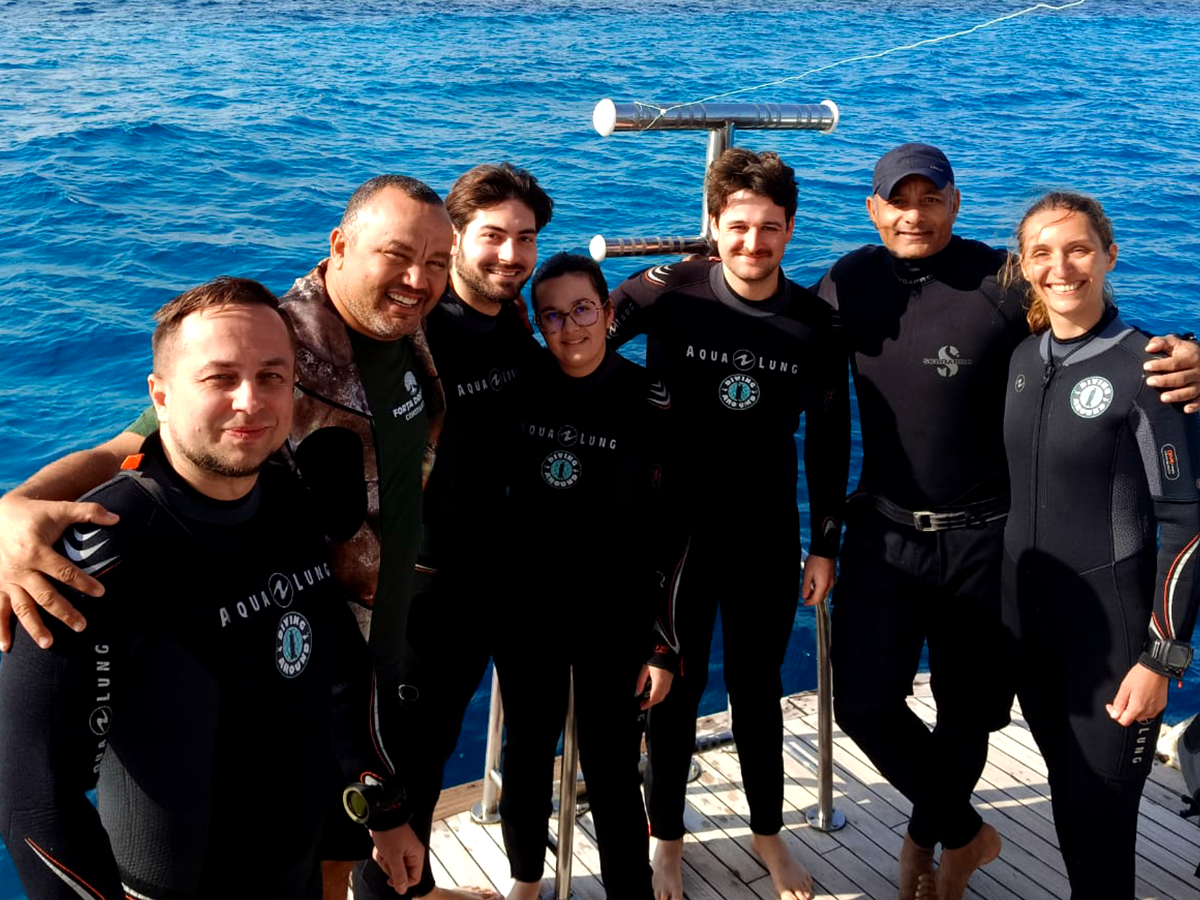
Yes, diving around Hurghada is not just good—it’s a world-class experience. The Red Sea offers consistently warm, clear water, vibrant coral reefs teeming with life, and a huge variety of dive sites suitable for all skill levels, all at a remarkably affordable price. Whether you’re a first-timer or a seasoned pro, Hurghada is a destination that delivers unforgettable underwater adventures year-round.
Why Hurghada is a Premier Dive Destination
Hurghada stands out for its unique combination of accessibility, value, and stunning underwater scenery. It’s the gateway to the central Red Sea, a region famed for its biodiversity and crystal-clear waters. Here’s what makes it special:
- Year-Round Warmth & Clarity: Water temperatures rarely drop below 20°C (68°F) in winter and can reach a balmy 29°C (84°F) in summer, making diving comfortable 365 days a year Visibility is often exceptional, frequently exceeding 30 meters.
- Unbeatable Value: Compared to other global dive hubs, diving in Hurghada is highly affordable. Daily boat trips are plentiful and competitively priced, offering incredible value for money.
- Rich Marine Biodiversity: The Red Sea is a biological hotspot, home to over 1,200 fish species, about 10% of which are found nowhere else on Earth. Your logbook will fill with sightings of turtles, dolphins, Napoleon wrasse, and countless colorful reef fish.
Top Dive Sites Around Hurghada for Every Level
The reefs near Hurghada cater to everyone, from complete beginners taking their first breaths underwater to advanced divers seeking adrenaline-pumping drifts and wrecks.
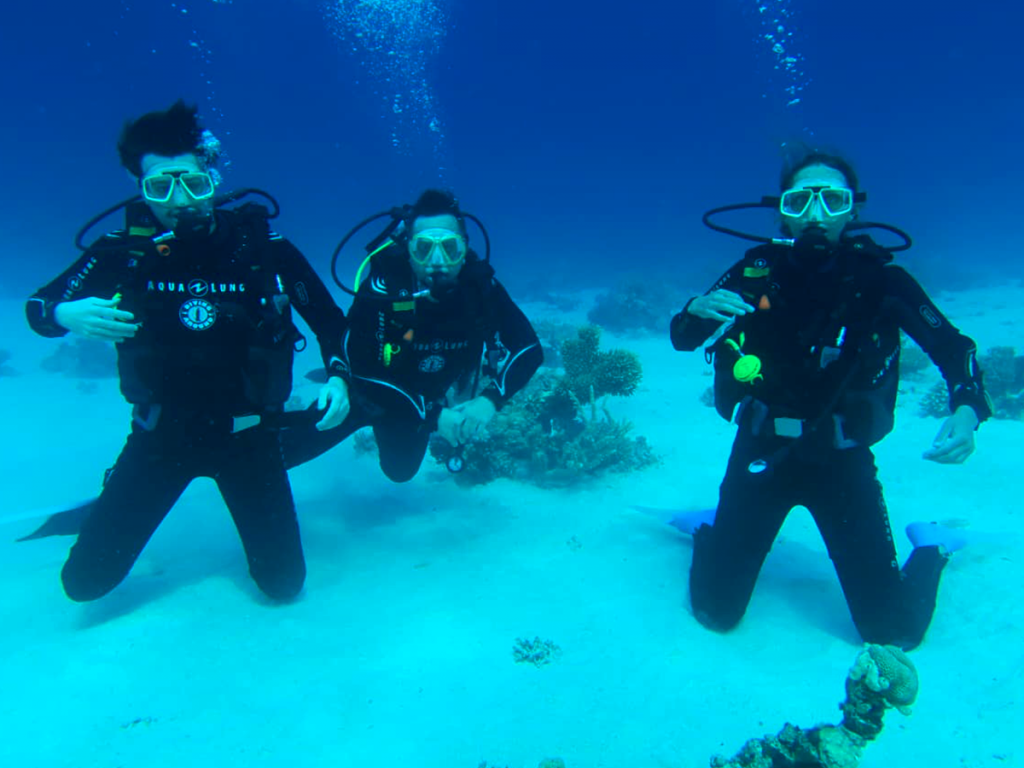
For Beginners & All Levels
These sites feature gentle conditions, shallow depths, and abundant life, perfect for building confidence.
- Shaab El Erg (The Dolphin House): A large, shallow reef system famous for frequent encounters with resident spinner dolphins. It’s an ideal spot for easy dives and snorkeling amidst beautiful coral gardens.
- Giftun Islands: Part of a protected marine park, these islands host pristine reefs like Fanous East and West. Fanous West is a particular favorite for training, with its shallow lagoons and coral towers teeming with life.
- El Fanadir: One of the area’s longest reefs, its sheltered nature often provides calm conditions. It’s excellent for courses and gentle drift dives, known for colorful gorgonians and macro critters.
- Abu Ramada (The Aquarium): True to its nickname, this site is a shallow, sheltered paradise packed with thousands of anthias, fusiliers, and other reef fish, offering a spectacular visual feast.
For Intermediate & Advanced Divers
These sites offer more depth, currents, and exciting pelagic action.
- Umm Gamar: A dramatic wall-diving site featuring drop-offs, caves, and coral towers. It often attracts larger fish and offers the chance for classic Red Sea drift dives.
- Carless Reef: An open-sea reef with two massive coral pinnacles rising from the deep. Visibility here is often stunning, and it’s a known spot for encountering Oceanic Whitetip Sharks, barracuda, and other pelagics.
- El Mina Wreck: A former Egyptian minesweeper sunk in 1970, resting at a max depth of around 30 meters. It’s an accessible and fascinating wreck dive, often covered in soft corals and home to large fish.
- Abu Nuhas Wrecks: A legendary graveyard of ships on a reef north of Hurghada. Wrecks like the Carnatic, Giannis D, and Chrisoula K offer incredible penetration and photography opportunities for certified wreck divers.
A Month-by-Month Guide to Diving Conditions
While you can dive in Hurghada any time, each season has its own character. Here’s what to expect throughout the year:
| Season | Months | Water Temp | Air Temp | Visibility | Highlights |
|---|---|---|---|---|---|
| Winter | Dec-Feb | 21-25°C | 15-24°C | Excellent (30m+) | Quiet sites, mythical visibility, great for macro photography. A 5-7mm wetsuit is recommended. |
| Spring | Mar-May | 22-27°C | 20-35°C | Good to Great | Warming water, peak time for pelagic encounters (whale sharks, mantas possible). Reefs buzz with activity. |
| Summer | Jun-Aug | 27-30°C | 30-41°C | Excellent | Bathtub-warm water, calm seas, turtle nesting season, perfect for beginners and long, relaxed dives. |
| Autumn | Sep-Nov | 25-29°C | 23-36°C | Consistently Exceptional | The “sweet spot.” Warm water, pleasant air temps, fewer crowds, and high marine life activity. |
Pro Tip: Many seasoned divers consider September to November the absolute best time to visit, offering the perfect blend of ideal conditions.
What Marine Life Will You See?
Hurghada’s reefs are a living kaleidoscope. On a typical dive, you can expect to see:
- Reef Classics: Clownfish (the real-life Nemo), angelfish, butterflyfish, and parrotfish are everywhere.
- Big & Beautiful: Green and Hawksbill sea turtles are common residents. Keep an eye on sandy patches for blue-spotted stingrays and, if you’re lucky, majestic eagle rays.
- The Giants: The curious and endangered Napoleon wrasse is a bucket-list sighting Dolphins often play around the boats.
- Masters of Disguise: Test your spotting skills on scorpionfish, stonefish, crocodilefish, and the shape-shifting octopus.
- The “Wow” Factor: Large schools of anthias and fusiliers create moving clouds of color. On deeper reefs, sightings of whitetip reef sharks add a thrill.
Understanding the Costs: How Much to Budget
Diving in Hurghada is famously good value. Prices are transparent and often all-inclusive. Here’s a typical breakdown:
- Introductory/Discovery Dive: ~€50-60. Includes brief training, equipment, and a guided dive.
- Daily Boat Trip (2 dives for certified divers): ~€50-75. Includes boat transfer, guide, full equipment, lunch, and drinks
- Multi-Day Packages: Offer significant discounts. For example, a 3-day/6-dive package can cost around €145, and a 7-day/14-dive package around €320.
- PADI Open Water Course: Starts around €350 for the full 3-4 day certification.
- Nitrox & Extras: Nitrox fills cost €7-10 per tank. Dive computer rental is around €10 per day.
Note on Budget Operators: Some Russian-language tour platforms advertise very low prices (e.g., $22 for two short dives). These are often large-group experiences with limited bottom time (e.g., 15-minute dives). For a richer, safer, and more personalized diving experience, investing in a reputable, mid-range dive center is highly recommended.
Choosing the Right Dive Center in Hurghada
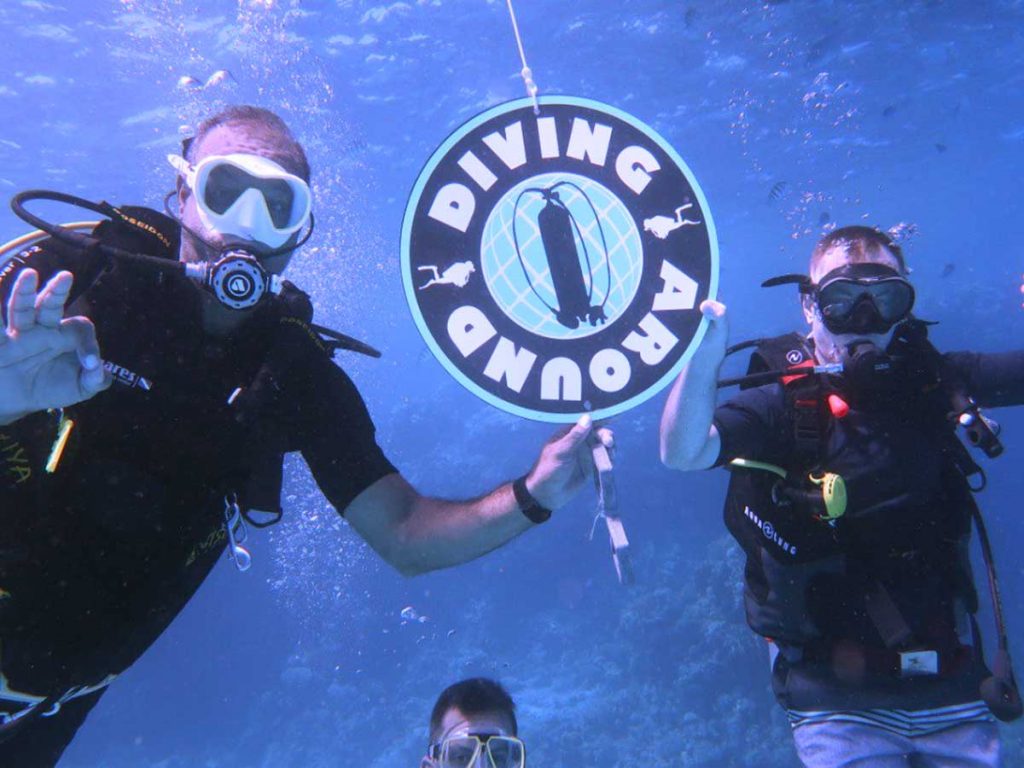
Your dive operator makes or breaks your trip. Look for these hallmarks of a professional center:
- Small Group Sizes: This is crucial for better guiding, safety, and a less intrusive experience for marine life.
- Transparent Pricing: All-inclusive pricing with no hidden fees for equipment, park fees, or transfers.
- Modern, Well-Maintained Boats: Purpose-built dive boats with ample space, shade, and facilities.
- Experienced, Multilingual Guides: Knowledgeable guides who know the sites intimately and can point out hidden critters.
- Safety First: Clearly stated safety protocols, well-maintained rental gear, and oxygen kits on board.
Essential Pre-Trip Checklist
Use this list to ensure you’re fully prepared for your Hurghada diving adventure.
- Documents & Certs: Passport, dive certification card (C-card), logbook, travel insurance with dive coverage.
- Gear: Mask, snorkel, fins, booties (if needed). Most centers provide full scuba gear, but many divers prefer their own regulator and computer.
- Health: Ensure you are fit to dive. Consult a doctor if you have any concerns. Bring any personal medications.
- Packing: Reef-safe sunscreen, hat, sunglasses, lightweight clothing, a warm layer for boat rides, towel, waterproof bag.
- Booking: Research and book your dive center in advance, especially during peak season (June-August). Confirm what’s included in your package.
Frequently Asked Questions (FAQs)
Absolutely. The abundance of shallow, sheltered reefs with minimal current makes it one of the best places in the world to learn to dive or for newly certified divers to build experience.
While never guaranteed, chances increase in spring (May) and autumn (September-October) on deeper, offshore reefs like Carless Reef
Yes, always. Even in summer, a 3mm shorty or full suit protects you from scrapes, sunburn, and helps with buoyancy. In winter, a 5mm to 7mm suit is essential
Some sites have currents, which are what bring in the big pelagic life. However, many sites are sheltered and current-free, perfect for beginners. A good dive center will match the site to the group’s ability.
Yes. Many dive centers have Russian, German, French, and Italian-speaking staff and guides. It’s always good to check in advance.
Swimming with wild dolphins is an incredible experience, but it must be done responsibly. Choose operators who follow a “no touch, no chase” policy to avoid stressing the animals.
Hurghada offers easier access to the famous wrecks of the Strait of Gubal (like Abu Nuhas) and the southern reefs. Sharm is closer to the iconic reefs of Ras Mohammed and the Thistlegorm wreck. Both are world-class, but Hurghada is often considered more laid-back and affordable.
Most dive centers will require or strongly recommend a Scuba Review or Refresher course. This is a short pool/confined water session to rebuild your skills and confidence before going on a boat dive.