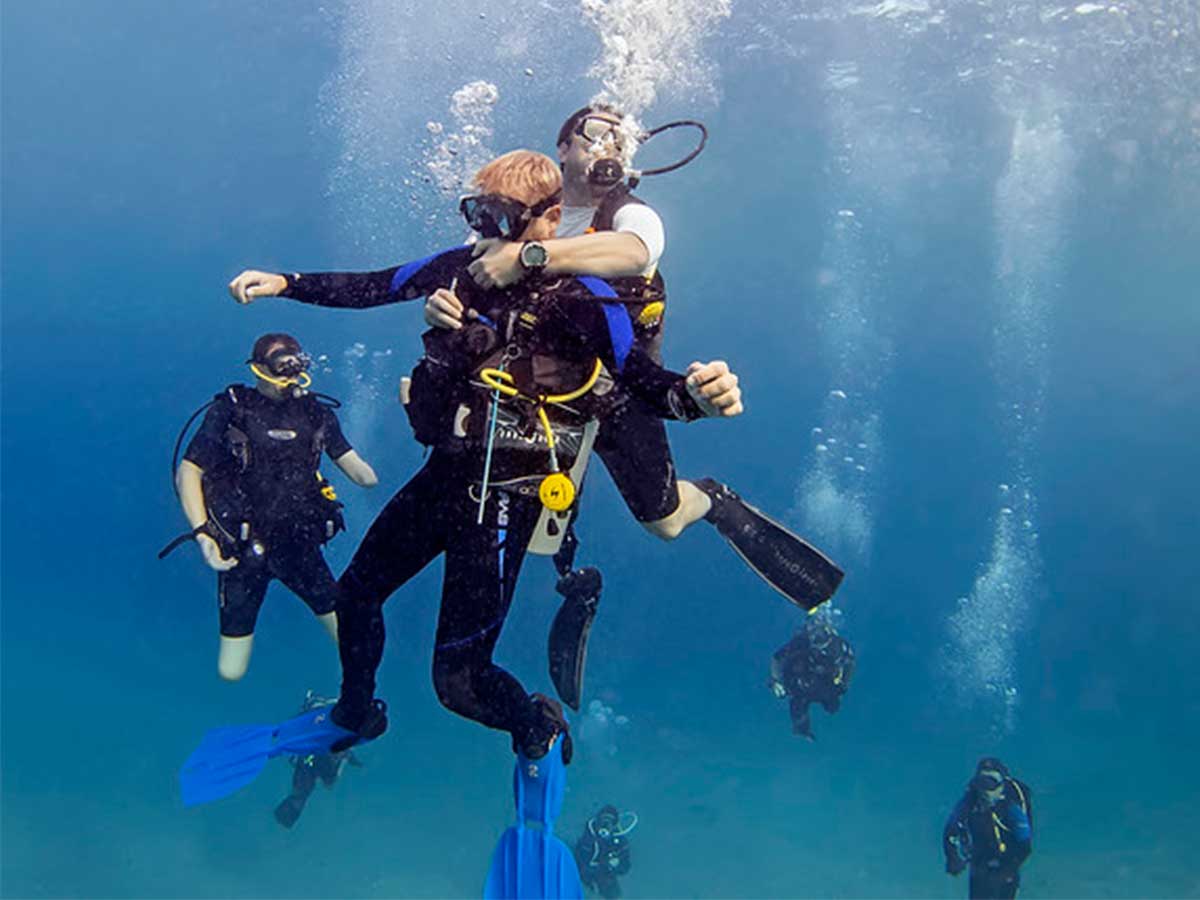
🛟 Choosing between PADI Rescue and SSI Rescue Diver training is less about which certification is “better” and more about which course structure best suits you. Both programs are designed to develop stronger awareness, accident-prevention skills and the ability to respond effectively when another diver needs assistance.
🤿 In this PADI Rescue vs SSI Rescue comparison, we’ll look at training requirements, course structure, rescue skills, certification and the main differences between the two programs. Both can be excellent choices for divers who want to become safer, more confident and better prepared underwater.
🌊 Taking your Rescue Diver training while Diving in Hurghada also gives you the opportunity to practice important rescue techniques in real Red Sea conditions under professional supervision.
What is PADI Rescue?
PADI (Professional Association of Diving Instructors) is one of the most recognized names in scuba diving education. Their Rescue Diver course is designed to teach divers how to prevent and manage problems in the water, and become more confident in their skills as a diver. The PADI Rescue course is known for its practical and realistic approach.
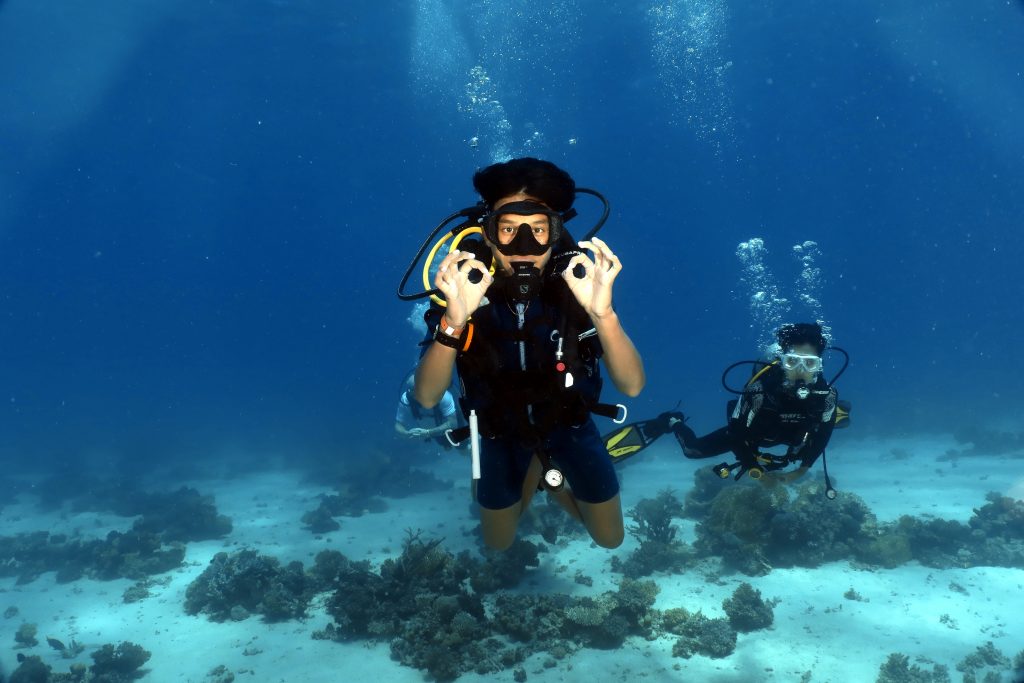
The PADI Rescue course covers various aspects of rescue operations, including self-rescue, recognizing and managing stress in other divers, emergency management and equipment, rescuing panicked divers, and rescuing unresponsive divers. The course is structured into five sections, each focusing on a specific area of rescue diving.
One of the highlights of the PADI Rescue course is the emphasis on practical, hands-on training. The course puts you through various simulated rescue scenarios, helping you understand and respond effectively to real-life situations.
What is SSI Rescue?
SSI (Scuba Schools International) is another leading name in the world of scuba diving education. The SSI Rescue Diver course aims to build upon your existing knowledge and experience and expand it to include accident prevention and handling.
The SSI Rescue Diver course covers similar areas as the PADI Rescue course, but with slight differences in the approach and structure. The course includes topics like how to recognize and prevent a diving accident, proper use of rescue equipment, dealing with panic and non-responsive divers, and first aid and emergency procedures.
One of the key features of the SSI Rescue course is its flexibility. The course allows you to study at your own pace, using digital learning materials. This means you can spend more time in the water practicing and mastering the rescue skills.
Why Choose Rescue Diving in Hurghada?
If you’re wondering where to take your rescue diving course, Hurghada, a beach resort town stretching some 40km along Egypt’s Red Sea coast, should be on your list. Known for its clear water, abundant marine life, and beautiful coral reefs, Hurghada provides the perfect setting for rescue diving training.
In Hurghada, you’ll find a number of dive centers offering both PADI Rescue and SSI Rescue courses. The instructors in these centers are experienced and certified, ensuring that you get the best training possible. Plus, the dive sites in Hurghada offer a variety of conditions, giving you a chance to practice your rescue skills in different situations.
Another reason to consider Rescue Diving in Hurghada is the chance to explore the stunning underwater world of the Red Sea. When you’re not busy with training, you can spend your time diving and exploring the rich marine biodiversity of the region.
Detailed Comparison: PADI Rescue vs SSI Rescue
Now that you have an understanding of what PADI Rescue and SSI Rescue are, let’s delve into a detailed comparison of the two. While the ultimate goal of both courses is the same – to make you a capable and confident rescue diver – there are some differences in the way they achieve this goal.
Both PADI and SSI are highly respected organizations in the diving world, and their courses are recognized worldwide. Both courses cover the essential skills and knowledge needed for rescue diving, including self-rescue, recognizing and managing stress in other divers, emergency management and equipment, rescuing panicked divers, and rescuing unresponsive divers.
However, there are some differences in the structure and approach of the courses. The PADI Rescue course is more structured, with a defined course outline and progression. On the other hand, the SSI Rescue course is more flexible, allowing you to study at your own pace and focus more on the practical aspects of rescue diving.
Key Differences between PADI Rescue and SSI Rescue
One key difference between the PADI Rescue and SSI Rescue courses is the teaching methodology. PADI emphasizes hands-on training, with a series of practical rescue scenarios that simulate real-life situations. This approach helps develop your skills and confidence in a controlled, safe environment.
On the other hand, SSI takes a more digital approach to learning. The SSI Rescue course provides digital learning materials, allowing you to study at your own pace, wherever you are. This flexibility makes the SSI Rescue course a good option if you prefer self-study or have limited time for classroom sessions.
Another difference lies in the certification prerequisites. For the PADI Rescue course, you need to be an Advanced Open Water Diver with a CPR and First Aid certification within the past 24 months. For the SSI Rescue course, you need to have completed the Diver Stress and Rescue certification, along with a recognized First Aid and CPR course within the past two years.
Pros and Cons of PADI Rescue
Like any course, the PADI Rescue course has its pros and cons.
Pros of PADI Rescue:
- Hands-on training: The PADI Rescue course emphasizes practical, hands-on training, allowing you to practice and develop your rescue skills in a controlled, safe environment.
- Structured course: The course has a well-defined structure and progression, ensuring that you cover all the necessary skills and knowledge areas.
- Worldwide recognition: PADI is one of the most recognized names in diving education, and their certifications are accepted worldwide.
Cons of PADI Rescue:
- Less flexibility: The PADI Rescue course is less flexible compared to the SSI Rescue course. You need to follow the course structure and progression as defined by PADI.
- More prerequisites: The PADI Rescue course has more prerequisites compared to the SSI Rescue course.
Pros and Cons of SSI Rescue
Similarly, the SSI Rescue course also has its advantages and disadvantages.
Pros of SSI Rescue:
- Flexibility: The SSI Rescue course allows you to study at your own pace, using digital learning materials. This flexibility makes it a good option if you prefer self-study or have limited time for classroom sessions.
- Comprehensive coverage: Despite the flexibility, the SSI Rescue course covers all the necessary skills and knowledge areas needed for rescue diving.
- Lower prerequisites: The SSI Rescue course has lower prerequisites compared to the PADI Rescue course.
Cons of SSI Rescue:
- Less hands-on training: While the SSI Rescue course does include practical training, it has less emphasis on hands-on training compared to the PADI Rescue course.
- Less structured: The SSI Rescue course is less structured compared to the PADI Rescue course. This could be a disadvantage if you prefer a well-defined course structure and progression.
How to Choose Between PADI Rescue and SSI Rescue
When it comes to choosing between PADI Rescue and SSI Rescue, there’s no one-size-fits-all answer. The best choice depends on your personal preferences, learning style, and goals as a diver.
If you prefer a structured course with plenty of hands-on training, the PADI Rescue course might be the better option for you. If you value flexibility and prefer self-study, the SSI Rescue course could be a better fit.
Consider the location where you plan to do your training. If you’re planning to do your rescue diving course in Hurghada, for instance, consider the dive centers available in the area and the courses they offer. Also, consider the dive conditions in the area and how they align with your training needs and goals.
Finally, consider your future plans as a diver. Both PADI and SSI certifications are recognized worldwide, but some dive centers and regions may have a preference for one over the other. It’s always a good idea to research and consider your options before making a decision.
Conclusion: Making the Right Choice For Your Rescue Diving Course
In conclusion, both PADI Rescue and SSI Rescue are excellent choices for a Rescue Diver course. Both courses are comprehensive and cover the necessary skills and knowledge areas needed for rescue diving. The best choice depends on your personal preferences, learning style, and goals as a diver.
If you’re planning to do your rescue diving course in Hurghada, you’re in for a treat. The stunning underwater world of the Red Sea, combined with the world-class training provided by the dive centers in the area, will surely make your rescue diving course a memorable experience.
So whether you choose PADI Rescue or SSI Rescue, rest assured that you’re making a great decision. Here’s to your journey towards becoming a confident and capable rescue diver. Dive safe!