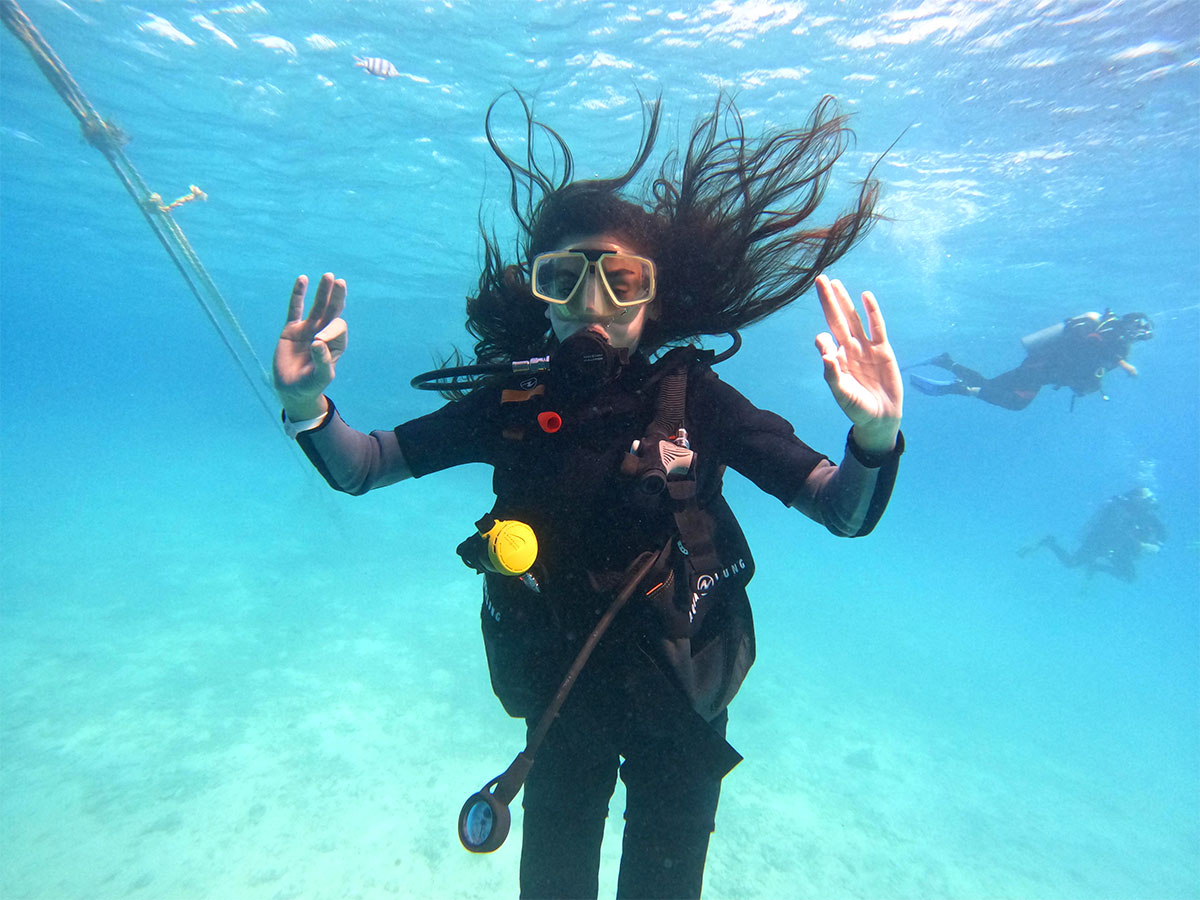
Getting your scuba diving certification in Hurghada in 2026 is an exciting journey that opens access to one of the world’s most spectacular underwater destinations.
The Red Sea offers breathtaking coral reefs, diverse marine life, and ideal conditions for both beginners and experienced divers. You can choose from globally recognized certifications like PADI, SSI, SDI, or CMAS through reputable dive centers like Diving Around, which costs between €85–€350 depending on your chosen course level.
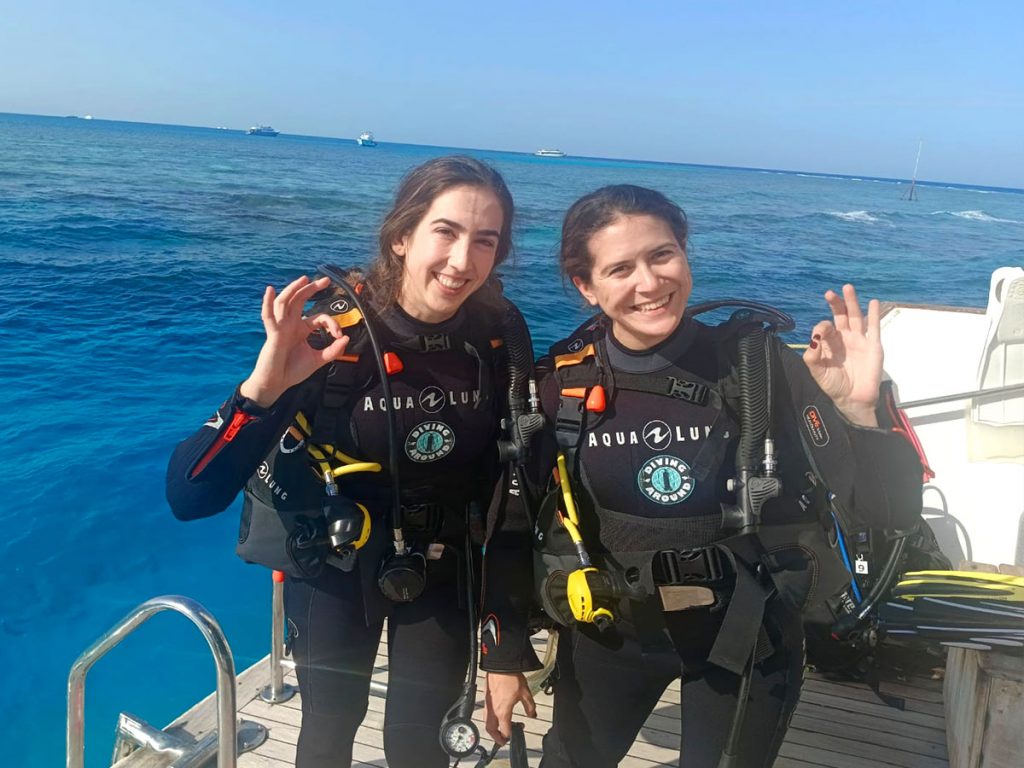
This guide walks you through everything you need to know: prerequisites, course types, what to expect daily, essential skills, preparation strategies, and practical tips to ensure your certification journey is safe, confident, and unforgettable.
Getting scuba diving certification Guide
- Understanding Diving Certification Organizations
- Course Types: From Introductory to Professional
- What to Expect: The PADI Open Water Course Day-by-Day
- Timing Your Certification: Best Seasons and Weather
- Essential Gear: What You’ll Use and What to Buy
- Physical and Medical Requirements
- Mastering Core Diving Skills
- Preparation Strategies: Before You Arrive
- Hurghada’s Best Beginner Dive Sites
- Safety Considerations and Risk Management
- Addressing Common Fears and Anxiety
- Pricing: What You’ll Spend in 2026
- Practical Checklist for Certification Success
- FAQs: Your Diving Certification Questions Answered
- Conclusion: Your Path to Underwater Adventure
Understanding Diving Certification Organizations
Before booking your Hurghada diving certified course, it’s important to understand the major organizations offering certifications worldwide.

Each organization provides standardized training that meets international safety standards set by the World Recreational Scuba Training Council (WRSTC), yet they differ in teaching philosophy, flexibility, and global recognition patterns.
PADI vs. SSI: Which Certification is Right for You?
(Professional Association of Diving Instructors) PADI remains the largest and most recognized scuba diving organization globally, with over 6,600 dive centers worldwide.
ThePADI uses a structured, linear teaching method where divers must master skills in a specific sequence before progressing.
This rigid approach ensures a solid foundation and consistent experience across all dive centers. PADI’s strength lies in its widespread recognition—PADI certified divers find easier access to dive shops, refresher courses, and travel support wherever they go.
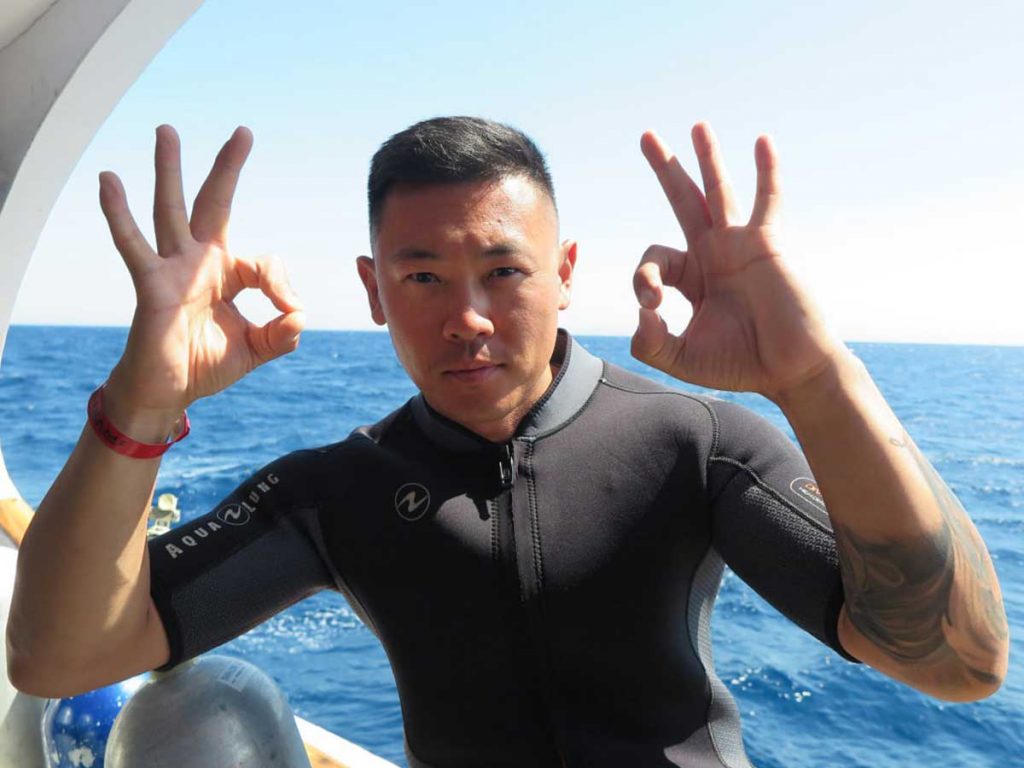
SSI (Scuba Schools International) was established in 1970 and takes a more flexible, personalized approach to diver training. SSI instructors can adapt skill sequences to individual learning styles and local conditions, which many divers find more comfortable and confidence-building. One major advantage: SSI provides free online learning through their MySSI App with lifetime access, even after course completion.
Additionally, SSI includes free Decompression Chamber Insurance during your course (valid up to 6 months from registration), whereas PADI does not.
Both certifications are completely interchangeable internationally—you can start with PADI Open Water, then take SSI Advanced, then NAUI Rescue without repeating courses. Both agencies teach identical safety standards and techniques because they follow the same WRSTC guidelines. The real difference comes down to personal preference: choose PADI for maximum global recognition and structured learning, or SSI if you prefer flexible instruction and want free digital tools.
Other Certification Options: SDI and CMAS
SDI (Scuba Diving International) offers competitive pricing, with Open Water courses at €320 in Hurghada. SDI provides solid, internationally recognized certification that works everywhere PADI and SSI certifications do.
CMAS (Confédération Mondiale des Activités Subaquatiques) is a respected European-based organization with a one-star diver program at €320. CMAS certification is recognized globally, though it’s particularly prevalent in Europe and the Mediterranean region.
All four organizations (PADI, SSI, SDI, CMAS) meet identical international safety standards and are accepted at dive centers worldwide. Your choice should depend on instructor availability, personal learning style preference, and pricing.
Course Types: From Introductory to Professional
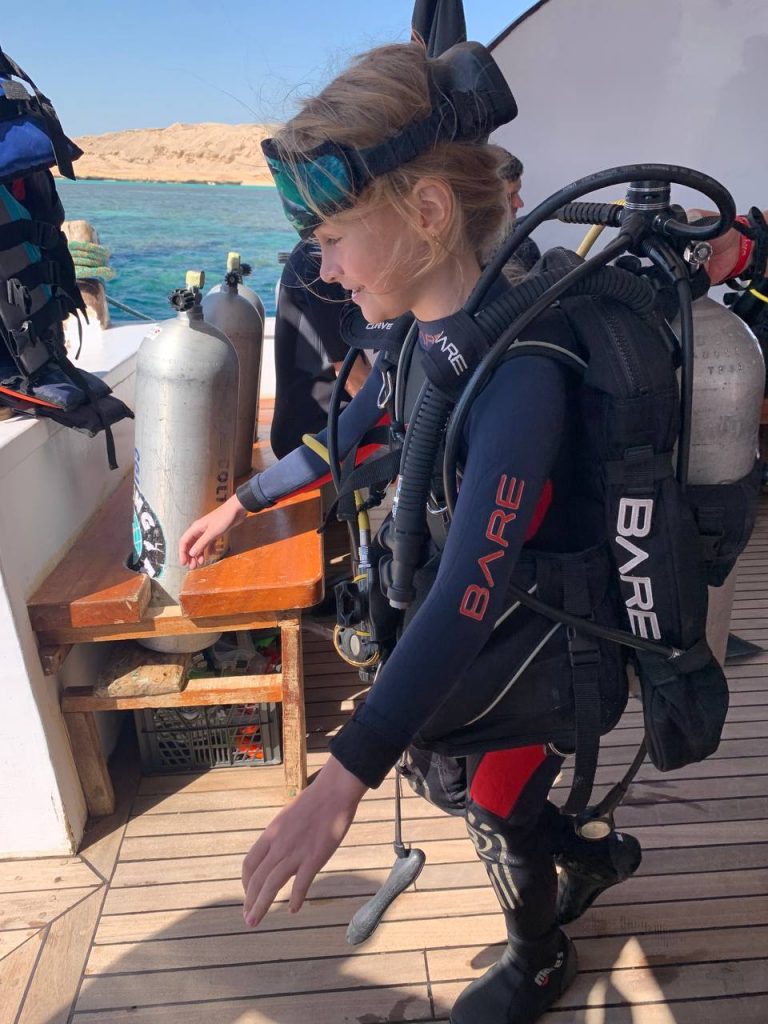
Discover Scuba Program: Your First Underwater Breath
If you’ve never dived before and want to test the waters without commitment, the Discover Scuba Program is perfect.
This one-day introductory course costs €85 and includes one theory session, one confined water or pool dive, and a beginner’s certificate. You must be at least 10 years old and comfortable in water.
The Discover Scuba experience lets you breathe underwater for the first time, practice basic skills in shallow, controlled conditions, and explore the underwater world with an instructor by your side. It’s an ideal way to determine if diving is genuinely for you before committing to a full certification course.
Open Water Diver: The Foundation Certification
The Open Water Diver course is the entry-level recreational diving certification that qualifies you to dive independently to depths of 18 meters with a buddy. This is the most popular course for beginners and typically requires 3–5 days to complete.
PADI Open Water costs €350, SSI and most competitors charge €320–€350. The course includes:

- Knowledge development (online theory or classroom instruction)
- Confined water training (pool or sheltered reef)
- Four open water dives in natural conditions
- Certification upon completion
Minimum requirements:
- Age 15 (10–14 year-olds earn Junior Open Water Diver)
- Ability to swim 200 yards/meters
- Ability to tread or float for 10 minutes
- Medical fitness (complete a medical questionnaire)
- Comfortable in water
Advanced Open Water Diver: Building Your Skills
Once certified as an Open Water Diver, you can progress to Advanced Open Water, which costs €250–€320 depending on your chosen organization. This typically 3–4 day course teaches deeper diving (to 30 meters), advanced techniques, and navigation. You must be at least 15 years old and already hold an Open Water certification.
Specialty Courses: Tailoring Your Diving
Hurghada offers numerous specialty courses costing €100–€200 each, including:[5]
- Deep Diver (€180)
- Wreck Diver (€180)
- Drift Diver (€120)
- Boat Diver (€120)
- Nitrox/Enriched Air (€100–€150)
- Peak Performance Buoyancy (€100)
- Digital Underwater Photographer (€200)
- Night Diver (€150)
These specialties enhance specific skills for different dive environments and are valuable if you plan to dive frequently in Hurghada’s spectacular wrecks, drift sites, or night dives.
Professional Certifications: Divemaster and Instructor
Serious diving enthusiasts can pursue professional certifications. The PADI Divemaster course costs €985 and requires 40–60 logged dives, Advanced Open Water plus Rescue Diver certifications, Emergency First Response training, excellent swimming skills, and typically 2–4 weeks of intensive training. Divemasters supervise dives, assist instructors, and can work at dive centers worldwide.
The SSI Dive Master costs €1,200 and follows similar requirements with slightly more flexible skill progression.
What to Expect: The PADI Open Water Course Day-by-Day
Understanding the typical course flow helps you prepare mentally and physically. Here’s what a standard 4-day PADI Open Water course looks like in Hurghada:
Day 1: Theory and Pool Foundation
Your course begins with PADI eLearning review (ideally completed before arrival). You’ll cover five chapters: equipment, physics and physiology, dive planning and safety, skills and environment, and professional standards.
Next comes your water skills assessment: swim 200 meters/yards and tread water for 10 minutes without touching the pool sides. This evaluates your comfort and swimming ability.
Then you’ll move into confined water skills training in a pool or sheltered lagoon. Your instructor demonstrates skills one at a time—mask clearing, regulator recovery, buoyancy control, emergency procedures—and you practice until confident. The first confined water dive is mostly about becoming comfortable breathing underwater with minimal skill demands.
Day 1 typically lasts 6–8 hours.
Day 2: Pool Skills and First Open Water Dives
You’ll refine your skills with additional pool or lagoon practice, focusing on buoyancy control and emergency procedures. Your instructor assesses your comfort level and readiness.
Then it’s time for your first and second open water dives at nearby reef sites. The first dive (Dive 1) is primarily exploratory—you descend to 12 meters maximum and simply experience breathing underwater while your instructor observes and provides reassurance.
After surfacing and a brief surface interval with lunch, you make your second open water dive (Dive 2). Here you begin practicing skills learned in the pool: clearing your mask partially, recovering your regulator from your mouth, and demonstrating basic buoyancy techniques.
Maximum depth on Day 2: 12 meters.
Day 3: Advancing Your Skills and Independence
Your third open water dive (Dive 3) involves more skill practice and confidence building. You’ll likely practice additional techniques like clearing a fully flooded mask or demonstrating finning techniques.
Your fourth open water dive (Dive 4) is special: you and a classmate (or dive buddy) create a simple dive plan under instructor supervision.
You’ll navigate to the planned depth, check dive buddies’ equipment underwater, practice skills if needed, then explore and manage your air supply. This dive proves you’re ready for independent diving with proper buddies.
Depths on Day 3: 12–18 meters.
Day 4: Certification and Next Steps
Your instructor reviews all four dives, confirms you’ve mastered required skills, and awards your Open Water Diver certification card. You’re now qualified to dive to 18 meters with a certified buddy anywhere in the world.
Many divers book additional dives or specialty courses on Day 4 if time and budget allow. Popular options include a second day of open water dives, a specialty course, or multi-day dive packages exploring famous Red Sea sites.
Timing Your Certification: Best Seasons and Weather
The optimal diving season in Hurghada runs from March through November, with peak conditions between May and September. During this window, water temperatures range from 24°C (75°F) in March to 29°C (84°F) in summer. Visibility often exceeds 20 meters, and sea conditions are calm and predictable.
April–May and October–November are considered “shoulder seasons”—ideal for certification courses because temperatures are comfortable (not too hot), water clarity is excellent, and tourist crowds are lighter. These months offer the perfect balance for focused learning without extreme heat.
December through February is possible for diving, though water temperatures drop to around 21°C (70°F) and winds can increase, affecting visibility and sea conditions. If diving in winter, bring a thicker wetsuit (5mm) and expect less comfortable conditions.
Pro tip: Book your certification in spring or autumn for the most enjoyable learning experience.
Essential Gear: What You’ll Use and What to Buy
All Hurghada dive centers, including Diving Around, provide complete equipment for certification courses included in the course fee. You’ll use:
Equipment Provided by the Dive Center:
- Tank and regulator (breathing apparatus)
- Buoyancy Control Device (BCD)
- Weights and weightbelt
- Wetsuit (typically 3mm in summer, 5mm in cooler months)
- Dive computer or depth gauge
Personal Gear You May Want to Buy:
- Mask (€40–€80) – must fit your face perfectly
- Snorkel (€20–€40)
- Fins/Booties (€60–€100)
- Gloves (€10–€30)
- Dive watch or computer (€100–€500+)
Most instructors recommend purchasing a mask, snorkel, and fins before your course because personal gear fits better and increases comfort. Rental gear works fine for certification, but owning your own ensures proper fit and familiarity.
Wetsuit consideration: In Hurghada’s warm water, a thin 3mm wetsuit is standard May–September. A 5mm suit provides comfort for winter diving and protects your skin from sun exposure and reef contact.
Physical and Medical Requirements
Scuba diving is physically demanding—you’re carrying 15–20 kg of equipment, managing pressure changes, fighting currents, and exerting yourself underwater. Medical fitness to dive requires:
Medical Requirements
Before certification, you must complete a PADI medical questionnaire honestly. Common disqualifying conditions include:
- Uncontrolled cardiovascular disease
- Respiratory conditions (asthma, emphysema) that impair lung equalization
- Epilepsy or conditions risking unconsciousness
- Severe ear/sinus problems preventing pressure equalization
- Pregnancy
- Recent surgery or illness
Important: If you have ANY medical concerns, consult your physician and inform your instructor before training begins. Many conditions don’t disqualify you—they simply require a physician’s written clearance.
Physical Fitness Recommendations
While you don’t need to be an athlete, building fitness improves your diving experience and safety. Recommended pre-dive conditioning includes:
- Cardiovascular training: Swimming, cycling, or jogging for 150+ minutes weekly builds stamina
- Strength training: Squats, deadlifts, and core work prepare you for equipment weight
- Flexibility exercises: Yoga or Pilates improve buoyancy control and reduce injury risk
- Swimming practice: Get comfortable in water, practice the 200-meter swim requirement
Start training 4–6 weeks before your course if you’re currently sedentary. Even modest activity helps—aim for 30 minutes of exercise most days.
Mastering Core Diving Skills
Your certification teaches approximately 24 essential skills. The most critical ones are:
1. Buoyancy Control
This is the most important skill in diving. Buoyancy allows you to hover effortlessly underwater, avoid touching fragile corals, and maintain safe ascent rates. You’ll practice:
- Adjusting your BCD (Buoyancy Control Device)
- Controlling buoyancy with breathing alone
- Achieving neutral buoyancy (neither rising nor sinking)
Mastering buoyancy takes practice—many divers continue refining this skill for years.
2. Mask Clearing and Regulator Recovery
These emergency skills build confidence. You’ll practice:
- Partially flooding and clearing your mask
- Fully flooding and clearing your mask with eyes open
- Removing and replacing your regulator underwater
- Breathing from your backup air source
Initial practice in the pool feels awkward, but by your open water dives, these techniques become automatic.
3. Emergency Ascent (CESA)
Though rarely needed, the Controlled Emergency Swimming Ascent teaches you to ascend safely if your air runs out. You’ll practice ascending while slowly exhaling—never holding your breath. This skill reassures you that you can always reach the surface safely.
4. Dive Planning and Air Management
You’ll learn to:
- Plan dives to specific depths and durations
- Calculate no-decompression limits
- Monitor air pressure and ascend when reaching minimum reserves (typically 50 bar)
- Use dive computers or depth gauges and timers
Proper air management prevents running out of air and ensures safe diving forever.
5. Underwater Communication
Master essential hand signals:
- “OK?” (thumb and forefinger circle) and “OK” (thumbs up)
- “Problem” (flat hand across throat)
- “Up/Down” (thumbs up/down)
- “Stop” (open hand raised)
Clear communication with your dive buddy is fundamental to safe diving.
Preparation Strategies: Before You Arrive
1. Complete PADI eLearning Early
If taking PADI, finish eLearning 1–2 weeks before arrival. This takes 4–6 hours and covers theory comprehensively, leaving classroom time for clarification and questions. SSI provides free online modules you can review anytime.
2. Practice Your Swimming
Swim at least 200 meters before your course. Comfort in water dramatically reduces anxiety during training. Practice floating for extended periods to build confidence.
3. Build Basic Fitness
Complete 2–3 weeks of light exercise (swimming, cycling, or walking) before arrival. This builds cardiovascular endurance and makes equipment handling easier.
4. Research Your Dive Center
Choose a reputable center like Diving Around, established since 2002, with multilingual instructors, small group sizes (maximum 5 divers), and internationally recognized certifications. Read reviews and verify instructor credentials.
5. Inform Your Instructor About Anxiety
Up to 80% of new divers experience anxiety about diving. This is completely normal and manageable. Tell your instructor about any fears—they’re trained to help you overcome them through gradual exposure and practice. Request a small group or private session if preferred.
6. Avoid Common Pre-Dive Mistakes
- Don’t dive while fatigued—rest well the night before
- Avoid alcohol at least 12 hours before diving
- Stay hydrated throughout training days
- Eat a light meal 2 hours before diving (not heavy or greasy foods)
- Don’t take medication without informing your instructor
Hurghada’s Best Beginner Dive Sites
Hurghada offers diverse dive sites suitable for certification divers. Popular spots for beginners include:

Abu Ramada Island – Accessible via boat, features coral walls and schools of fish. Suitable for all levels with depths of 8–20 meters. Popular for first open water dives due to manageable conditions.
Giftun Island – Protected marine park with pristine reefs and frequent turtle sightings. Calm conditions ideal for building confidence. Maximum depth 12–18 meters.
House Reef Sites – Many dive centers operate house reefs for confined water training and certification dives. These shallow, protected areas (3–12 meters) are perfect for skill practice.
El Fanadir – A 3 km long reef offering moderate currents and diverse marine life. Suitable for intermediate divers but accessible for certification with instructor guidance. Depths 10–25 meters.
Shaab Pinky – Known for resident dolphins, eagle rays, and coral gardens. A magical site offering intermediate-level challenges with good visibility.
Your instructor will select appropriate sites based on your group’s skill level and current sea conditions.
Safety Considerations and Risk Management
Scuba diving is statistically safe when you follow training and procedures. Key safety principles include:
The Buddy System
Always dive with a certified buddy or instructor. Your buddy provides assistance, moral support, and emergency help. Before every dive, perform a buddy check:
- Review hand signals
- Test each other’s equipment function
- Confirm dive plan and air consumption rate
- Ensure you can maintain buddy proximity underwater
Equipment Checks
Conduct thorough pre-dive equipment inspections:
- Test your regulator for smooth breathing
- Confirm BCD inflation and deflation function
- Check tank pressure (start with full tank)
- Inspect mask seal
- Verify weight belt security
- Test all gauges and dive computer
Faulty gear should never be used—request replacement without hesitation.
Respecting Depth and Dive Limits
As a newly certified Open Water Diver, respect these limits:
- Maximum depth: 18 meters
- Always dive with a buddy
- Maintain no-decompression diving status (never exceed dive tables)
- Ascend with no more than 10 meters per minute
- Perform a 3–5 minute safety stop at 5 meters before surfacing
These limits exist because recreational diving doesn’t require decompression diving—staying within limits keeps you safe.
Post-Dive Precautions
After your final dive, wait at least 18–24 hours before flying or ascending to altitude. This prevents nitrogen in your tissues from forming dangerous bubbles. Book your flights accordingly—if certified on Day 4, don’t fly home until Day 5 or later.
Addressing Common Fears and Anxiety
Anxiety about diving is incredibly common and entirely manageable. The most frequent fears are:
Fear of drowning or running out of air – Your training teaches you to manage air, surface ascents are controlled, and you can always ascend to the surface in recreational diving.
Claustrophobia from gear – Start in the pool where you can stand up, practice at your own pace, and remember you can remove your mask and regulator instantly at the surface. Gradual exposure builds comfort.
Fear of marine life – Marine animals avoid humans; attacks are extraordinarily rare. The Red Sea’s fish are curious but harmless. Your instructor will brief you on local creatures and safe interaction distances.
Panic underwater – If you panic:
- Stop all movement and breathe slowly
- Signal your buddy or instructor immediately
- Remember: you can always ascend safely to the surface
- Your training equips you to handle this
Proven anxiety-reduction techniques:
- Visualization – Mentally practice dives before they happen, reducing the “unknown” factor
- Controlled breathing – Deep, rhythmic breathing calms your nervous system
- Progressive exposure – Start in the pool where you control conditions, gradually move to open water
- Equipment familiarization – Practice with gear on land before entering water
- Trusting your instructor – Choose instructors experienced with anxious students; their confidence transfers to you
- Finding your diving buddy – Dive with someone you trust and who understands your anxiety
- Realistic perspective – Diving is statistically safer than driving; thousands of beginners get certified safely every year
Pricing: What You’ll Spend in 2026
Hurghada offers competitive pricing for diving certification. Here’s what to budget based on Diving Around’s 2026 rates:
| Course | Price (€) | Duration | Includes |
|---|---|---|---|
| Discover Scuba Program | 45 | 1 day | 2 dive |
| Open Water Diver (PADI) | 350 | 4-5 days | Theory, pool training, 4 dives |
| Open Water Diver (SSI) | 350 | 3-4 days | Theory, pool training, 4 dives |
| Open Water Diver (SDI) | 320 | 3-4 days | Theory, pool training, 4 dives |
| CMAS One-Star Diver | 320 | 3-4 days | Theory, pool training, 4 dives |
| Advanced Open Water | 250–320 | 3-4 days | Advanced techniques, deeper dives |
| Specialty Courses | 100–200 | 1-2 days | Specialized training (Deep, Wreck, etc.) |
| Daily Certified Diving | 50–95 | Full day | 2-4 guided dives, lunch, equipment |
What’s included: Equipment rental, instruction, boat transport from your hotel, lunch on the boat, soft drinks, and certification upon completion.
What’s not included: Wetsuit if you want to keep it, food/drinks on non-dive hours, tips for instructors (customary 10–15%), or travel insurance.
Money-saving tips:
- Book in shoulder seasons (April–May or October–November) for lower prices
- Take SSI courses for free lifetime eLearning access
- Bundle courses (e.g., Open Water + Advanced in one trip) for discount potential
- Consider multi-day dive packages (€95–€400) if certified—they’re more economical than daily dives
Practical Checklist for Certification Success
Print this checklist and use it before, during, and after your course:
8 Weeks Before:
- [ ] Choose your certification organization (PADI, SSI, SDI, or CMAS)
- [ ] Research dive centers and read reviews
- [ ] Complete medical questionnaire; consult physician if needed
- [ ] Book your course dates during optimal season (April–May or October–November)
- [ ] Start fitness training (swimming, core work, cardio)
- [ ] If PADI: request eLearning access code from your dive center
4 Weeks Before:
- [ ] Complete PADI eLearning or review SSI online modules
- [ ] Practice swimming at least 200 meters
- [ ] Increase cardiovascular and strength training
- [ ] Research Hurghada dive sites to build excitement
- [ ] Purchase personal dive gear (mask, fins, snorkel) if desired
2 Weeks Before:
- [ ] Confirm your course dates and dive center contact info
- [ ] Arrange hotel accommodations near the marina
- [ ] Break in your personal gear in a pool if bought
- [ ] Ensure passport and travel documents are ready
- [ ] Book return flights 18–24 hours after your last dive
1 Week Before:
- [ ] Finalize packing list
- [ ] Confirm fitness level with a practice swim
- [ ] Review hand signals and basic diving concepts
- [ ] Get a good night’s sleep
- [ ] Prepare any medical documents needed
During Your Course:
- [ ] Arrive on time for all sessions
- [ ] Ask questions without hesitation
- [ ] Communicate honestly about anxiety or discomfort
- [ ] Take notes during theory
- [ ] Focus fully during pool sessions—this is where confidence builds
- [ ] Enjoy your open water dives—this is why you’re here!
After Certification:
- [ ] Protect your certification card
- [ ] Log all dives in your dive logbook or digital app
- [ ] Don’t attempt advanced dives alone
- [ ] Take specialty courses to build skills
- [ ] Dive regularly to maintain proficiency (every 6–12 months minimum)
- [ ] Consider advanced certification if you love diving
FAQs: Your Diving Certification Questions Answered
Most Open Water certifications take 3–5 days. The minimum is 3 days (1 day pool + 2 days open water), but many divers benefit from spreading the course over 4–5 days for more relaxed learning. Discover Scuba takes just 1 day.
You must pass a swim test (200 meters + 10-minute float/tread), but you don’t need to be an athlete. Many non-swimmer types successfully get certified by practicing in the pool beforehand. Inform your instructor of your swimming concerns—they’ll help you progress at your pace.
Both fears are common and addressable. Your instructor is trained to help you overcome fear through gradual exposure. Start with shallow pool sessions, move to sheltered reef dives, then progress to deeper sites as confidence grows. Marine animals are generally curious but non-aggressive—attacks are extraordinarily rare.
No. All Hurghada dive centers provide complete equipment during courses. However, owning a mask, fins, and snorkel ensures proper fit and comfort. Full equipment ownership (wetsuit, BCD, regulator) comes later as you advance in diving.
Yes, absolutely—with proper support. Many anxious people become confident divers. Work with patient instructors, practice breathing exercises, use visualization, and progress gradually. Private sessions or small groups help anxious divers feel less pressure. Thousands of anxious beginners get certified safely every year.
Major disqualifications include uncontrolled heart disease, respiratory conditions preventing pressure equalization (asthma), epilepsy, or anything risking underwater unconsciousness. Many other conditions (hypertension, diabetes, history of asthma) require physician clearance but don’t automatically disqualify you. Always complete the medical questionnaire honestly and get physician approval if uncertain.
No. Pregnant divers should not dive due to decompression sickness risks to the fetus. Dive instructors require medical documentation and won’t certify pregnant individuals. After pregnancy, consult your physician before returning to diving.
Maximum 18 meters (60 feet) with a dive buddy. After 100+ logged dives and advanced training, you can dive deeper. Respecting depth limits keeps recreational diving safe and decompression-free.
What’s the difference between “certification” and “license”?
In recreational diving, these terms are interchangeable. Your certification card is your credential proving you’ve met training standards. It’s globally recognized and allows you to dive anywhere. It’s not a “license” requiring renewal—once certified, you’re certified for life (though refresher courses are recommended if you stop diving for 6+ months).
How much does it cost to dive after certification?
Daily certified diving in Hurghada costs €50–€95 for 2 dives, including boat, guide, lunch, and equipment rental. Packages are more economical: 10 days (20 dives) costs €400. A full Open Water certification (€320–€350) pays for itself in just 4–7 dives if you plan to dive regularly.
Conclusion: Your Path to Underwater Adventure
Getting diving certified in Hurghada in 2026 is an investment in a lifetime of adventure. The Red Sea’s crystal waters, vibrant reefs, and welcoming dive community make it an ideal location to earn your first certification. Whether you choose PADI’s structured approach, SSI’s flexibility, or another organization, you’ll gain skills and confidence that open doorways to exploration worldwide.
The journey from nervous beginner to certified diver transforms how you see the ocean. Your first underwater breath, your mastery of buoyancy, your final independent dive—these moments stay with you forever. Thousands of divers who were terrified before certification now speak of diving as therapy, meditation, and pure joy.
Book with a reputable center like Diving Around, choose your certification dates in spring or autumn, prepare physically and mentally, trust your instructors, and embrace the learning process. Your underwater adventure awaits—and 2026 is your year to take the plunge.