
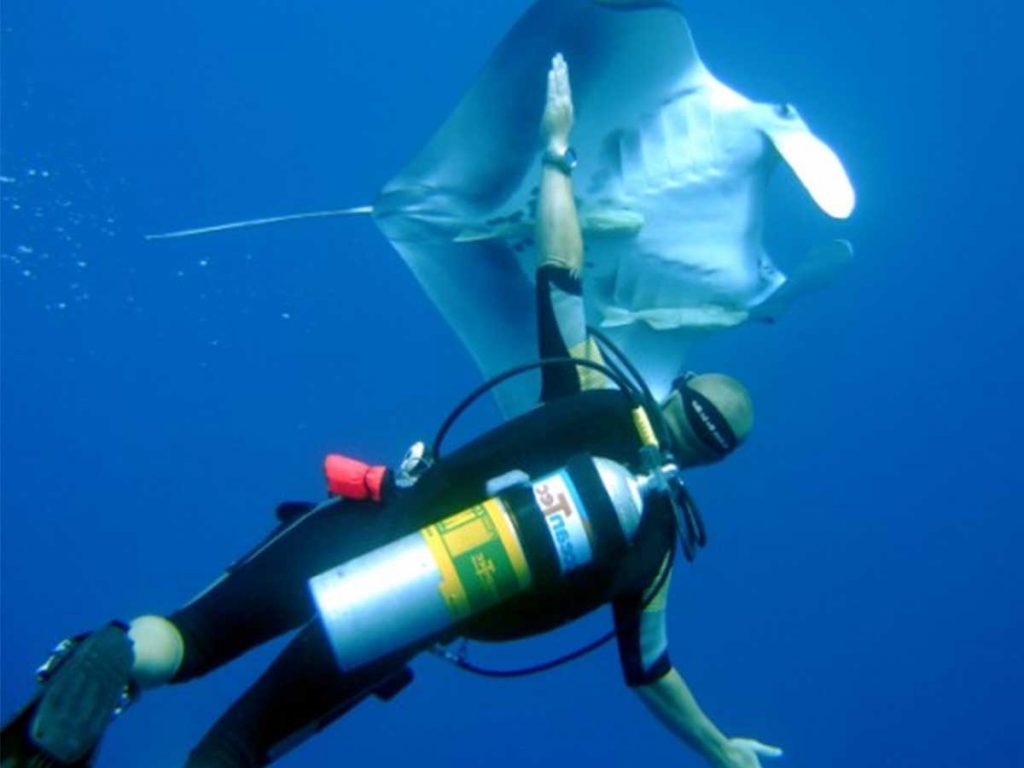
Deep diving with Enriched Air Nitrox is often misunderstood. Although Nitrox contains a higher percentage of oxygen than ordinary air and can provide longer no-decompression limits at certain depths, it does not simply allow divers to go deeper. In fact, increasing the oxygen percentage creates a specific maximum operating depth (MOD) that every Nitrox diver must understand.
When used correctly, Enriched Air Nitrox can be extremely useful for experienced divers exploring the Red Sea, particularly during repetitive diving and dive profiles where reducing nitrogen exposure can be beneficial. However, deeper dives require careful attention to oxygen partial pressure, gas planning and the limitations of the chosen Nitrox mixture.
At Diving Around Hurghada Center, divers can learn how to use Nitrox safely through proper training and practical experience. If you are new to the subject, our complete guide to Nitrox Diving in Hurghada explains Nitrox certification, oxygen analysis, EAN32 and the fundamentals of diving with enriched air.
Discover the amazing world of deep diving with Enriched Air Nitrox!
Learn about the benefits and limitations of deep diving, ensuring an unforgettable adventure. Start your underwater journey now!
The Benefits and Limitations of Deep Diving with Enriched Air Nitrox Diving with Enriched air nitrox, also known as EAN or nitrox, has become increasingly popular among Recreational divers in recent years. This gas mixture, which contains a higher percentage of oxygen than normal air, offers several advantages for divers. However, there are also limitations and important Considerations when it comes to deep diving with nitrox.
In this article, we will explore the benefits, potential risks, and essential techniques Associated with diving at depth using enriched air nitrox.
Understanding Enriched Air Nitrox
Enriched air nitrox is a gas mixture in which the oxygen content is higher than the 21% found in regular air. The most common nitrox blends used in recreational diving are EAN32 (32% oxygen and 68% nitrogen) and EAN36 (36% oxygen and 64% nitrogen). By reducing the percentage of nitrogen and increasing the oxygen content, divers can extend their bottom time and reduce surface intervals.
Extending Bottom Time
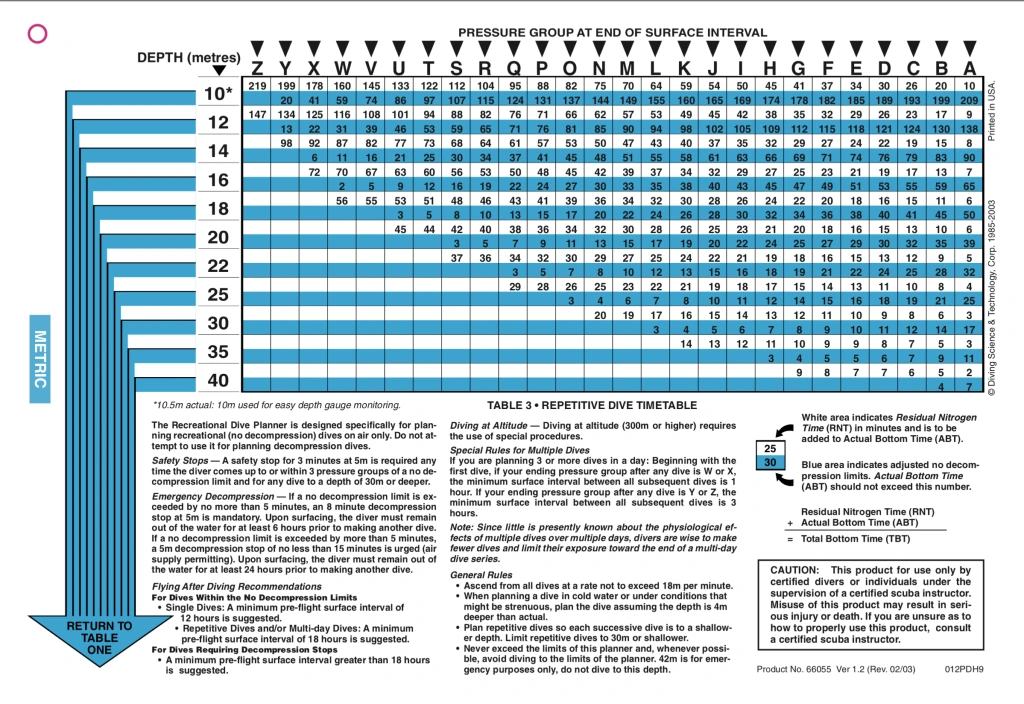
One of the main advantages of diving with Eenriched air nitrox is the ability to stay Underwater for longer periods. Nitrox reduces the amount of Nitrogen absorbed by the body, which means that divers can extend their no-decompression limits. For example, a dive on air at a depth of 60 feet may have a No-decompression limit of 57 minutes. However, using EAN32, the No-decompression limit can be extended to Approximately 92 minutes, Allowing for more time to explore and enjoy the underwater environment.
Reducing Surface Intervals
In addition to extending bottom time, diving with nitrox also reduces surface Intervals. Surface intervals are necessary to allow the body to off-gas nitrogen and reduce the risk of decompression sickness. With nitrox, the reduced nitrogen content means that less Off-gassing is required, allowing for shorter surface intervals between dives. This can be particularly beneficial for divers who want to maximize their time in the water and complete multiple dives in a day.
Safety Considerations
While enriched air nitrox offers advantages for divers, it is essential to understand the safety considerations associated with deep diving with nitrox. Oxygen toxicity is a significant concern when breathing high percentages of oxygen at depth. The deeper a diver goes, the higher the partial pressure of oxygen, increasing the risk of oxygen toxicity. It is crucial to stay within the maximum operating depth (MOD) limits for the specific nitrox blend being used.
Maximum Operating Depth (MOD)
The MOD is the maximum depth at which a specific nitrox blend can be safely used. It is determined by the maximum partial pressure of oxygen (PPO2) that a diver can tolerate without risking oxygen toxicity. The recreational diving community generally recommends a maximum PPO2 of 1.4 ATA (atmospheres absolute). Using this guideline, the MOD for different nitrox blends can be calculated. For example, EAN32 has an MOD of 121 feet, while EAN36 has an MOD of just over 100 feet.
Diving Nitrox vs. Air at Depth
It is important to note that diving with enriched air nitrox does not allow for deeper dives compared to diving with regular air. In fact, nitrox is not Recommended for deep diving. The Increased oxygen content in nitrox increases the risk of oxygen toxicity, which becomes a concern at deeper depths. It is crucial to adhere to the MOD limits and always dive within safe Parameters when using nitrox.
Gas Management and Dive Planning
Proper gas management and dive planning are essential when using enriched air nitrox for deep dives. Divers must be trained in nitrox diving and have a clear understanding of the specific blend being used, its MOD, and the associated risks. Dive computers that can calculate and display the PPO2 and no-decompression limits for the specific nitrox blend are highly recommended.
Training and Certification
To dive with enriched air nitrox, divers must undergo specialized training and become certified as nitrox divers. Organizations like PADI offer the Enriched Air Diver specialty course, which provides divers with the knowledge and skills required to safely dive with nitrox. The course covers topics such as gas analysis, dive planning, and oxygen exposure limits.
Conclusion Deep Diving with Enriched Air Nitrox
Enriched air nitrox offers divers the opportunity to extend bottom time and reduce surface Intervals, Providing more Flexibility and Enjoyment during their dives. However, it is crucial to understand the limitations and potential risks associated with deep diving with nitrox. Proper training, gas management, and adherence to MOD limits are Essential to ensure safe and enjoyable dives. Always consult with a qualified instructor or dive professional before diving with Enriched air nitrox to ensure a thorough understanding of the gas and its Implications for deep diving.
By following these guidelines and diving within safe parameters, divers can experience the benefits of enriched air nitrox while exploring the wonders of the underwater world at depth. Remember to prioritize safety, stay within your certification limits, and enjoy the fascinating world beneath the surface with enriched air nitrox diving.
For more information on enriched air nitrox diving and training opportunities, consult with a certified dive professional or visit reputable dive training organizations like PADI.

FAQs Deep Diving with Enriched Air Nitrox
If you’re an experienced scuba diver or have a passion for exploring the depths of the ocean, you may have come across the term “Enriched Air Nitrox.” This specialized diving gas has gained popularity among divers for its numerous benefits. In this article, we will answer some frequently asked questions about deep diving with Enriched Air Nitrox.
What is Enriched Air Nitrox?
Enriched Air Nitrox, also known as EANx or simply Nitrox, is a breathing gas mixture that contains a higher percentage of oxygen than regular air. While normal air consists of approximately 21% oxygen, Nitrox usually has an oxygen content between 30% and 40%. By increasing the oxygen concentration, divers can extend their allowable bottom time and reduce the risk of decompression sickness.
Why should I consider using Enriched Air Nitrox for deep diving?
Using Enriched Air Nitrox for deep diving offers several advantages. The higher oxygen content in Nitrox allows divers to stay underwater for longer periods. This means more time to explore wrecks, reefs, or other captivating underwater landscapes. Additionally, because Nitrox reduces nitrogen absorption, it can reduce the risk of decompression sickness, especially during repetitive dives or when diving at greater depths.
Is Enriched Air Nitrox safer than regular air for deep diving?
Enriched Air Nitrox is considered to be as safe as regular air when used within the appropriate limits and by certified divers. However, it’s important to understand that Nitrox does bring its own risks and considerations. Divers must undergo specific training and certification to learn how to analyze, handle, and use Nitrox safely. It’s also crucial to closely monitor the oxygen exposure limits and calculate the maximum operating depth when diving with Nitrox.
How do I get certified to dive with Enriched Air Nitrox?
To dive with Enriched Air Nitrox, you must complete a specialized certification course. The course typically involves classroom sessions where you’ll learn about the benefits, risks, and procedures associated with diving using Nitrox. You’ll also gain practical experience analyzing Nitrox mixtures and planning dives. Upon successful completion of the course, you’ll receive a certification allowing you to utilize Enriched Air Nitrox during your dives.
Are there any restrictions when diving with Enriched Air Nitrox?
Yes, there are certain restrictions and considerations when diving with Enriched Air Nitrox. The main one is the maximum operating depth (MOD) for the specific Nitrox mixture you’re using. This depth is determined by the oxygen partial pressure limit. The higher the oxygen content, the shallower your maximum depth will be. It’s crucial to calculate the MOD before each dive to ensure you stay within safe limits.
Can I use my regular scuba equipment with Enriched Air Nitrox?
In most cases, your regular scuba equipment can be used with Enriched Air Nitrox without any significant modifications. However, there are a few considerations. First, your scuba tank must be clearly labeled for Nitrox use, and it’s essential to have an oxygen-clean regulator. Additionally, some materials, such as certain lubricants or o-rings, may not be compatible with high oxygen concentrations. Your dive instructor or equipment provider can guide you on any necessary equipment adjustments.
What are the benefits of deep diving with Enriched Air Nitrox?
Deep diving with Enriched Air Nitrox offers several benefits. The extended bottom time allows divers to spend more time exploring the underwater world. This is particularly advantageous when diving on vibrant reefs or exploring historical wrecks. Nitrox can also reduce fatigue and increase energy levels by reducing nitrogen absorption. Furthermore, the reduced risk of decompression sickness enhances the overall safety of deep dives.
Enjoy Longer Dives with the Right Nitrox Training
Using Enriched Air Nitrox during deep diving Hurghada adventures may allow for longer no-decompression limits, making it a popular choice among trained and certified divers. However, Nitrox requires the right knowledge and careful planning. Understanding oxygen exposure, maximum operating depth and the correct gas mixture is an important part of diving safely.
With proper Nitrox training, you can develop your skills and get more from diving in Hurghada, whether you are exploring deeper reefs, walls or other Red Sea dive sites. An experienced dive centre will also help ensure that the equipment and gas mixture are suitable for your planned dive.
Want to add Nitrox to your next Hurghada diving experience? Contact Diving Around to learn more about Nitrox training and plan your next adventure in the Red Sea.
More blogs about diving in Hurghada
Solo Diver Certification in Hurghada: Become a Self-Reliant Diver
Discover the Solo Diver Certification in Hurghada and learn how experienced divers develop self-reliant…
Read More
Diving Hurghada Resort Stay vs Liveaboard: Which is Best?
Planning a Red Sea diving holiday? Compare resort daily diving and liveaboards in Hurghada, including…
Read More
Diving Hurghada for Women: Safety, Solo Female Tips & Best Red Sea Experiences
Diving Hurghada as a woman is generally safe, fun, and empowering when you choose a reputable dive center,…
Read More
Best Time to Visit Egypt for Diving
The best time to visit Egypt for diving breaks into two distinct high seasons: spring (March to May)…
Read More
Diving Around Hurghada: Is It Good? A Guide to Red Sea Dive Sites & Costs.
Yes, diving around Hurghada is not just good—it’s a world-class experience. The Red Sea offers…
Read More
Diving Course Prices in Hurghada
Compare diving course prices in Hurghada for PADI, SSI, CMAS and SDI certifications. Explore beginner,…
Read More

How to Get Scuba Diving Certification in Hurghada
Planning to become a certified diver in Hurghada? This guide explains certification options, course requirements,…
Read More
Booking Scuba Diving Hurghada with Groups: The Complete Guide
Organizing a group scuba diving trip to Hurghada is an exciting endeavor that promises incredible Red…
Read More

French CMAS Training in Hurghada | Certified Plongée with Diving Around
French CMAS Training with Diving Around: Your Gateway to Professional Diving in Hurghada
For divers…
Read More
French Diving Center in Hurghada For French-Speaking Divers
Discover scuba diving in Hurghada with experienced French-speaking dive professionals. Diving Around…
Read More
