
The best time to visit Egypt for diving breaks into two distinct high seasons: spring (March to May) and autumn (September to November). Both offer the ideal balance of warm water (22–29°C), excellent visibility (20–40 meters), manageable currents, and abundant marine life.
If you prioritize pelagic encounters like whale sharks or hammerheads, May through September delivers peak conditions, though surface heat and crowds reach their height. For wreck diving and clarity, December through February offers superior visibility and calm seas. Egypt’s Red Sea diving seasons each cater to different priorities—choose based on the marine life you want to encounter and the crowds you’re willing to tolerate.
Understanding Egypt Diving Seasons and Water Conditions
Egypt’s Red Sea maintains remarkable diving conditions year-round, thanks to a warm desert climate and unique thermal characteristics. The sea never fully cools, even in winter, making Egypt accessible for every diver type regardless of season. However, each quarter of the year presents distinct advantages and trade-offs in water temperature, visibility, currents, and marine life abundance.
Understanding these seasonal patterns helps you time your trip to match your priorities. Whether you’re chasing hammerhead sharks, exploring historic wrecks, or simply seeking comfortable conditions for casual reef diving, Egypt diving seasons offer something compelling every month.
Spring Diving in Egypt: March to May
Why Spring Represents Peak Diving Season
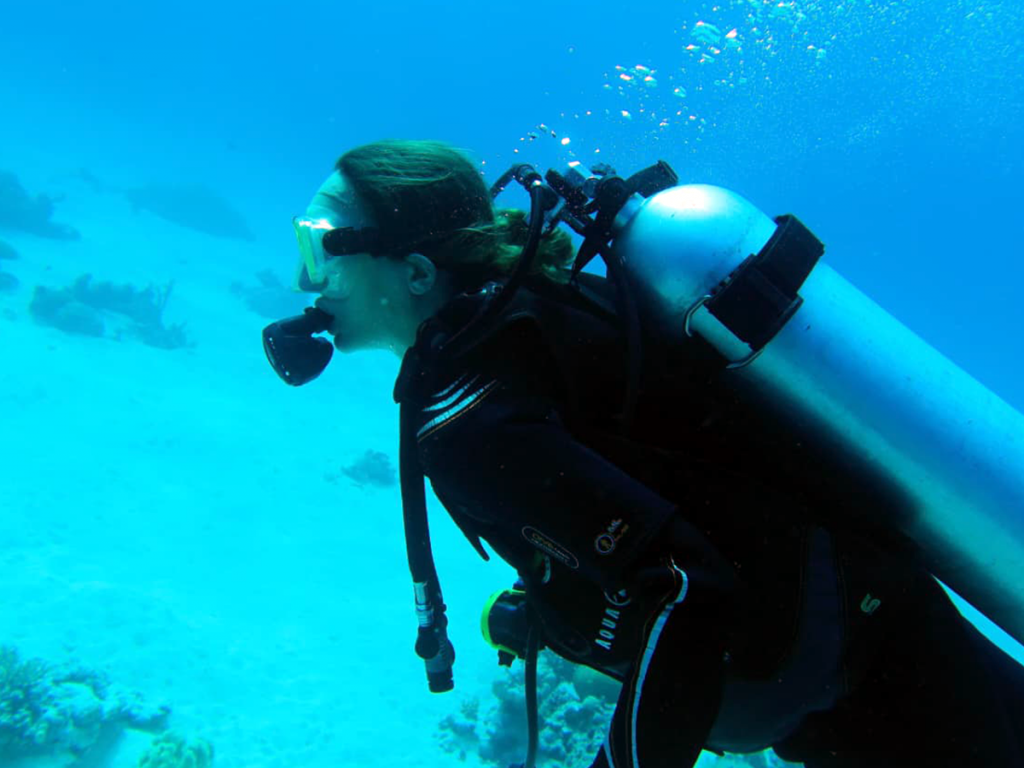
Spring in Egypt’s Red Sea is widely considered the high season for diving across the Northern and Central Red Sea. March kicks off with water temperatures around 21–22°C, warming steadily through May to 23–26°C. Air temperatures range from a pleasant 20–27°C in March to 24–31°C by May, making topside conditions ideal before summer heat intensifies.
Visibility during spring typically ranges from 20–30 meters on most dive sites, with exceptional days exceeding 35 meters. While spring plankton blooms can briefly soften clarity in late April and May, these blooms attract larger filter feeders—notably whale sharks and manta rays—making the trade-off worthwhile for pelagic hunters.
Spring Marine Life Highlights
May through July represents peak whale shark season in the Northern Red Sea, particularly around Hurghada, Marsa Alam, and El Quseir. Spotting a whale shark is never guaranteed, but the probability climbs significantly during these months as plankton blooms provide abundant food.
Spring also marks the beginning of hammerhead shark activity at deeper southern reefs, with May-June seeing scalloped hammerheads increasingly common at sites like Daedalus and the Brothers. Reef fish populations explode during spring as spawning season approaches, creating vibrant underwater gardens packed with schools of anthias, groupers, and jacks.
Manta rays become more frequent around southern sites (Marsa Alam area) during spring, often clustering where currents funnel plankton-rich water. Dolphins remain active, particularly in calmer bays near Hurghada.
Spring Downsides: Crowds and Cost
The obvious trade-off: spring is high season, meaning crowded dive sites, fully booked liveaboards, premium pricing for accommodations, and longer wait times at popular spots. March through May attract global dive operators and families on spring breaks, so expect 15–20 divers on popular sites like Ras Mohammed or Giftun Island.
Booking becomes essential 2–3 months in advance. Conversely, if you prefer solitude and budget flexibility, spring is not your season.
Best Wetsuits and Packing for Spring
A 5mm full wetsuit suits most divers through April, with the option to transition to a 3mm long suit by late May. Include a hooded vest if you easily feel cold, as multiple dives back-to-back can cool your core despite warming water. reddit
Autumn Diving in Egypt: September to November
Why Autumn Rivals Spring as the Best Season
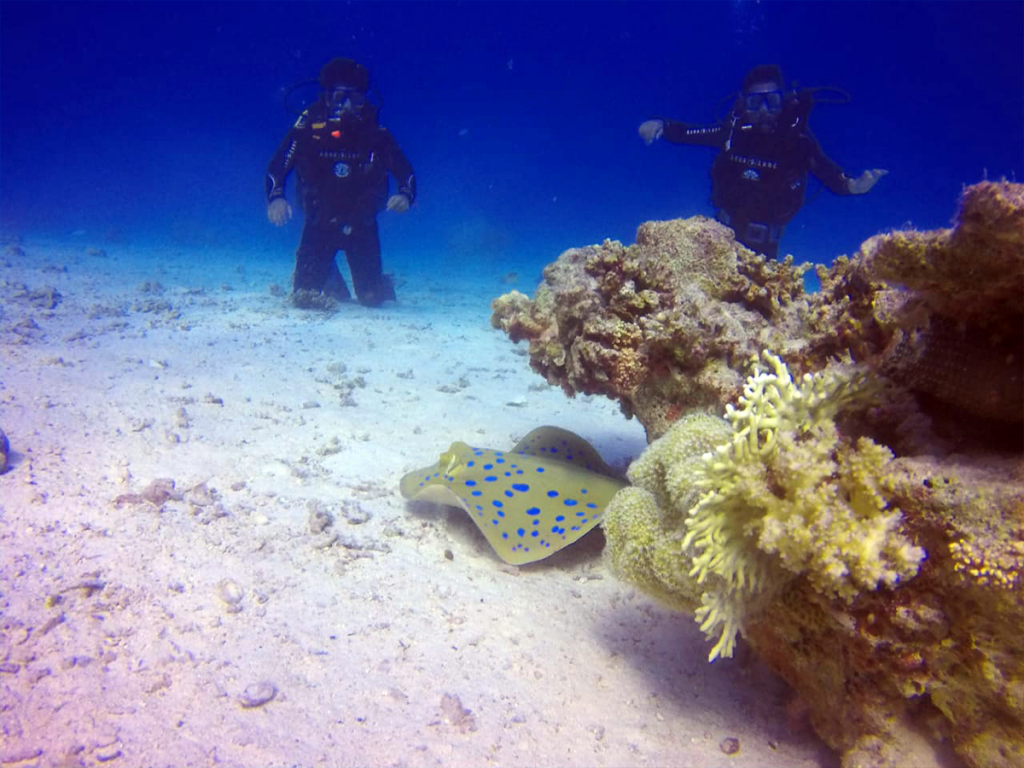
Autumn is increasingly recognized as the best overall diving season for balanced conditions. Water temperatures hold steady between 26–29°C in September, cooling gradually to 24–27°C by November—still warm enough for long comfort dives in minimal exposure protection. Visibility during autumn is exceptional, often exceeding 30–40 meters on clear days, with 20–30 meters on typical dives.
Critically, autumn experiences fewer divers than spring despite similar water conditions, and prices remain lower than peak high-season rates. Air temperatures range from 25–35°C, dropping to more comfortable levels by November as summer heat dissipates.
Autumn Marine Life Highlights
Thresher sharks become abundant in both northern and southern Red Sea during autumn, particularly September through November. These elegant deep-diving sharks frequent offshore reefs and can be encountered on walls and drop-offs throughout the season.
Manta rays peak during autumn in southern Red Sea locations (Marsa Alam, Elphinstone Reef), creating opportunities for close, lingering encounters. Early autumn (September-October) still carries summer’s hammerhead populations, giving you a brief window to encounter both species.
Oceanic whitetip sharks, oceanic sunfish, and schools of large pelagics characterize autumn diving. Reef fish populations remain vibrant as spawning cycles complete, and macro life flourishes on healthy coral gardens.
Dolphin encounters remain excellent in autumn, particularly at Shaab Sataya (Dolphin House) in Fury Shoals, which limits diver numbers to protect residents but offers unparalleled interaction opportunities on permitted days.
Autumn’s Perfect Balance
The hallmark of autumn diving is the Goldilocks zone: the water temperature feels comfortable for extended bottom times without extreme surface heat. You can comfortably perform 4 dives per day without overheating on deck. Currents tend to be manageable during autumn across most popular sites, and the sea state gradually calms from early autumn chop into glassy conditions by November.
Autumn Packing and Gear
Bring both 3mm and 5mm wetsuits to autumn dives. September calls for a 3mm suit; transition to 5mm by October as water gradually cools. By November, many divers prefer a full 5mm suit to maintain comfort across multiple dives.
Summer Diving in Egypt: June to August
Summer’s Unique Appeal: Peak Pelagic Season
Summer represents a distinct diving opportunity, distinct from both spring and autumn. Water temperatures reach their annual peak at 27–30°C, transforming the Red Sea into a liquid bathhouse. Air temperatures soar to 30–40°C at midday, making boat decks intensely hot—but sustained immersion in warm water enables exceptionally long, comfortable dives.
Visibility remains strong at 25–30 meters despite plankton, and summer currents actually aid drift diving along walls and reefs when properly executed. This season attracts experienced liveaboard divers chasing peak hammerhead shark season and oceanic whitetip encounters.
Summer Marine Life and Deep Pelagics
June through August marks the absolute peak for hammerhead shark sightings, especially at deep southern reefs (Daedalus, Brothers, Elphinstone). Schools of 5–10 hammerheads clustering at specific dive sites become commonplace. These sharks often descend to 30–40 meters, making them targets for advanced divers comfortable with deep diving.
Oceanic whitetip sharks, tiger sharks, and other large pelagics are far more likely during summer months. Whale sharks, while not peak season, remain visible. Dolphin pods actively patrol warm waters. Summer also brings eagle ray aggregations to certain sites.
Liveaboard routes to the southern “BDE” (Brothers-Daedalus-Elphinstone) corridor become accessible as calmer waters allow safe passage to remote offshore towers.
Summer Trade-Offs: Heat and Crowds
The downside is undeniable: surface conditions are brutal. Standing on a metal boat deck in 35°C+ heat, fully suited, waiting for a dive signal challenges even experienced divers. Dehydration and heat exhaustion become real risks if you’re not careful about hydration and shade management.
Additionally, summer attracts liveaboard enthusiasts and holiday-traveling divers, creating moderate-to-high crowds despite cooler air temperatures discouraging casual shore divers. Pricing remains elevated but slightly cheaper than spring—booking 4–8 weeks ahead is advisable rather than months.
Summer Wetsuits and Heat Management
Most divers wear 3mm shorty suits or even rash guards alone in summer heat. The water feels so warm that cold shock becomes irrelevant. Pack lightweight, breathable topside clothing (rash guards, loose linen shirts), a wide-brimmed hat, and high-SPF sunscreen. Bring extra drinking water on your dive boat—dehydration is summer’s real challenge.
Winter Diving in Egypt: December to February
Winter often gets overlooked, dismissed as “too cold.” However, winter diving in Egypt offers the clearest water visibility of the year and a peaceful, less crowded experience. Water temperatures drop to 21–23°C, requiring thicker wetsuits and hood protection, but the crisp, cool water delivers exceptional clarity.
Air temperatures remain pleasant at 18–25°C—cool enough for courtyard dinners without discomfort, warm enough for comfortable sun exposure during surface intervals. Winter represents the quietest diving season outside holiday weeks (December 25 – January 2), with dramatic discounts on accommodations and dive packages.
Winter Diving: Best for Wrecks and Macro Photography
Winter is the ultimate wreck diving season. Calm seas and exceptional visibility (25–30 meters+) make the famous SS Thistlegorm dive safer, more accessible, and more photogenic. The legendary WWII wreck’s cargo holds—packed with locomotives, motorcycles, and military vehicles—are visible in stunning detail during winter dives.
Other wrecks like the Abu Nuhas reef wrecks (Giannis D, Carnatic, Chrisoula K, Kimon M) shine during winter when silt-free conditions reveal their full structures.
Macro photography thrives during winter as reef life concentrates in nutrient-rich cooler water. Nudibranches, seahorses, octopuses, and small crustaceans become easier to locate and photograph against pristine, clear backgrounds.
Winter Marine Life: Sharks and Dugongs
Oceanic whitetip sharks become more common in winter months, particularly in northern waters. While not guaranteed, your probability of encountering one increases measurably during winter dives. These powerful sharks patrol reef edges and open water.
Dugongs (large marine mammals resembling manatees) are significantly more visible in winter, particularly in the Marsa Alam region. Abu Dabbab Bay, with its shallow seagrass meadows, provides year-round dugong sightings but peaks in winter when cooler water brings them closer to preferred feeding zones.
Reef fish populations remain healthy and colorful throughout winter. The main difference is reduced activity—fish move slower in cooler water, making them easier to observe and photograph but less frenzied than summer behavior.
Winter Challenges: Wetsuit Thickness and Wind
The trade-off is cold water. A full 5mm wetsuit with hood becomes essential for dives exceeding one hour. Many winter divers bring 7mm suits or drysuits, particularly for multiple-dive days or those who easily feel cold.
Winter can bring occasional strong northerly winds, especially in February and March. These winds can push boat schedules or force relocations to protected bays. However, the sea typically remains calmer than summer chop once you’re submerged.
Egypt Diving Locations: Seasonal Variations
Different Red Sea locations experience slightly different seasonal dynamics:
| Location | Best Months | Why | Note |
|---|---|---|---|
| Hurghada | Mar-May, Sept-Nov | Balanced conditions, accessible, beginner-friendly | High crowds Mar-May |
| Sharm El-Sheikh | Mar-May, Sept-Nov | Close to Ras Mohammed & Tiran wrecks, wreck diving | Spring crowds intense |
| Dahab | Apr-May, Oct-Nov | Blue Hole & canyon dives safe, fewer crowds than north | Wind-exposed, cooler |
| Marsa Alam | Oct-May | Excellent visibility, pelagic encounters, dugongs | Summer too remote |
| Southern Reefs (Brothers, Daedalus, Elphinstone) | May-Dec | Hammerheads (May-Sept), oceanic whitetips (Oct-Dec) | Advanced divers only |
Choosing Your Ideal Egypt Diving Season
For Whale Sharks and Manta Rays
Book between May and July for whale shark probability in the northern Red Sea. Manta rays cluster during spring (March-May) and autumn (September-November), particularly around Marsa Alam’s southern reefs.
For Hammerhead Sharks and Deep Pelagics
June through September is peak hammerhead season, especially June-July at Daedalus and the Brothers. Advanced liveaboard divers seeking big-fish encounters should prioritize this window, accepting heat and expense as the cost of pelagic dreams.
For Wreck Diving and Photography
December through February offers crystalline water (25–30m+ visibility), calm seas, and perfect conditions for SS Thistlegorm penetration dives and macro photography. Fewer crowds and budget deals sweeten the cold-water compromise.
For Balanced Comfort Without Peak Pricing
Late April-May and October-November represent the sweet spot. You get 80% of spring/autumn conditions with fewer divers and lower prices. October is particularly underrated—warm water (26–28°C), manageable crowds, and thresher shark activity combine with autumn clarity.
For Budget Travelers
June-August and December-February offer the best pricing, though for different reasons. Summer provides deals to offset heat and crowds; winter provides quiet-season discounts. Both require embracing seasonal challenges.
Seasonal Water Temperature Guide for Gear Selection
| Season | Months | Water Temp | Recommended Suit | Notes |
|---|---|---|---|---|
| Spring | Mar-Apr | 21-23°C | 5mm full suit | Cooler early spring |
| Spring Late | May | 23-26°C | 5mm transitioning to 3mm | Warming rapidly |
| Summer | Jun-Aug | 27-30°C | 3mm shorty or rash guard | Exceptionally warm |
| Autumn Early | Sep-Oct | 26-28°C | 3mm to 5mm | Still quite warm |
| Autumn Late | Nov | 24-27°C | 5mm full suit | Cooling begins |
| Winter | Dec-Feb | 21-23°C | 5mm full suit + hood or 7mm | Coldest period |
Currents and Diving Safety by Season
Currents in Egypt’s Red Sea vary significantly by season and location. Spring and autumn currents tend toward moderate strength, ideal for drift diving along walls and reefs. Summer brings slightly stronger currents, especially in southern waters, requiring current-awareness and proper weighting. Winter currents are typically gentler in northern locations but can strengthen around exposed southern reefs.
Always check current direction and strength before diving—even experienced divers should verify conditions with local dive centers, as surface conditions don’t always indicate subsurface currents.
FAQs: Your Egypt Diving Questions Answered
October offers the optimal balance: water at 25–27°C, excellent 25–30m visibility, manageable crowds post-September peak, and active pelagic marine life including thresher sharks. Spring’s May and autumn’s October-November rival October closely.
Absolutely. Winter offers the clearest visibility (25–30m+), fewest crowds, best wreck diving, and lowest prices. Water at 21–23°C requires a 5mm suit, but conditions are perfectly safe and rewarding.
December (post-holidays) through February and June-August offer dramatic discounts on accommodations and dive packages. Winter provides quiet-season savings; summer provides low-season deals to offset heat.
Choose May-June or October-November for warm water (warm enough to be forgiving), manageable currents, abundant marine life, and plenty of dive operators catering to certification courses. Avoid December-February cold and July-August heat.
Yes, but summer (June-September) is peak season. Hammerheads remain visible in late spring (May-June) and early autumn (September), but sightings decline substantially outside this window, particularly at deep southern reefs.
Late April and May can experience brief plankton blooms reducing visibility to 15–20m for a few days. Winter visibility is lowest at 20–25m, but winter’s calm seas often deliver clearer conditions than the visual range suggests.
Yes. September transitions from summer’s heat into autumn’s balance. Water remains warm (26–27°C), early autumn thresher sharks begin appearing, visibility is solid (20–30m), and crowds are lighter than peak autumn.
Spring and autumn (22–29°C): 3–4 comfortable dives | Summer (27–30°C): 4–5 dives possible in brief intervals | Winter (21–23°C): 2–3 dives; cold water fatigues divers faster. Follow your guide and listen to your body
Conclusion: Your Egypt Diving Timeline
Egypt’s Red Sea thrives as a diving destination year-round, but timing matters. Spring (March-May) and autumn (September-November) deliver the most balanced conditions, warmest water for beginners, and liveliest reef activity—with the trade-off of crowds and premium pricing.
Summer (June-August) attracts advanced divers hunting hammerhead sharks and oceanic whitetips, requiring tolerance for surface heat and expense. Winter (December-February) rewards wreck divers and photographers with pristine clarity and tranquil sites, requiring acceptance of cooler water and thicker wetsuits.
No season is “wrong.” Your ideal timing depends on your priorities: pelagic encounters, photography, wreck diving, budget, experience level, or simple comfort. Research dive sites you want to explore, identify the marine life you’re most excited to encounter, and select the seasonal window that aligns with those goals.
Once you’ve identified your target season, book your liveaboard or shore-based dive package 6–12 weeks in advance during high season (March-May, September-November), or take advantage of last-minute deals during low season if flexibility suits your schedule.
Reader Checklist: Planning Your Egypt Diving Trip
Use this step-by-step checklist to organize your Egypt diving adventure:
- [ ] Define your diving goal: Pelagic hunting, wreck exploration, relaxation, photography, or multi-purpose?
- [ ] Identify target marine life: Whale sharks (May-July), hammerheads (June-Sept), threshers (Sept-Nov), oceanic whitetips (Dec-Feb)?
- [ ] Check your experience level: Beginner, intermediate, or advanced (for liveaboards and deep southern reefs)?
- [ ] Select target season(s): Spring (warm/crowded), summer (hot/pelagic), autumn (warm/moderate), or winter (cold/clear)?
- [ ] Choose dive location: Hurghada/Sharm (accessible), Dahab (technical), Marsa Alam (southern), or remote liveaboard?
- [ ] Confirm your dates: 12 weeks ahead for high season; 4-6 weeks for low season?
- [ ] Select dive operator: Shore-based center or liveaboard? Check recent reviews and certifications.
- [ ] Pack appropriate exposure protection: 3mm/5mm/7mm wetsuit based on season?
- [ ] Arrange certification or specialties: Wreck, deep, advanced? Complete before arrival if possible.
- [ ] Review dive site conditions: Local currents, depth, difficulty via dive center briefings?
- [ ] Plan non-diving activities: Land-based attractions, rest days, nutrition, hydration strategy.