
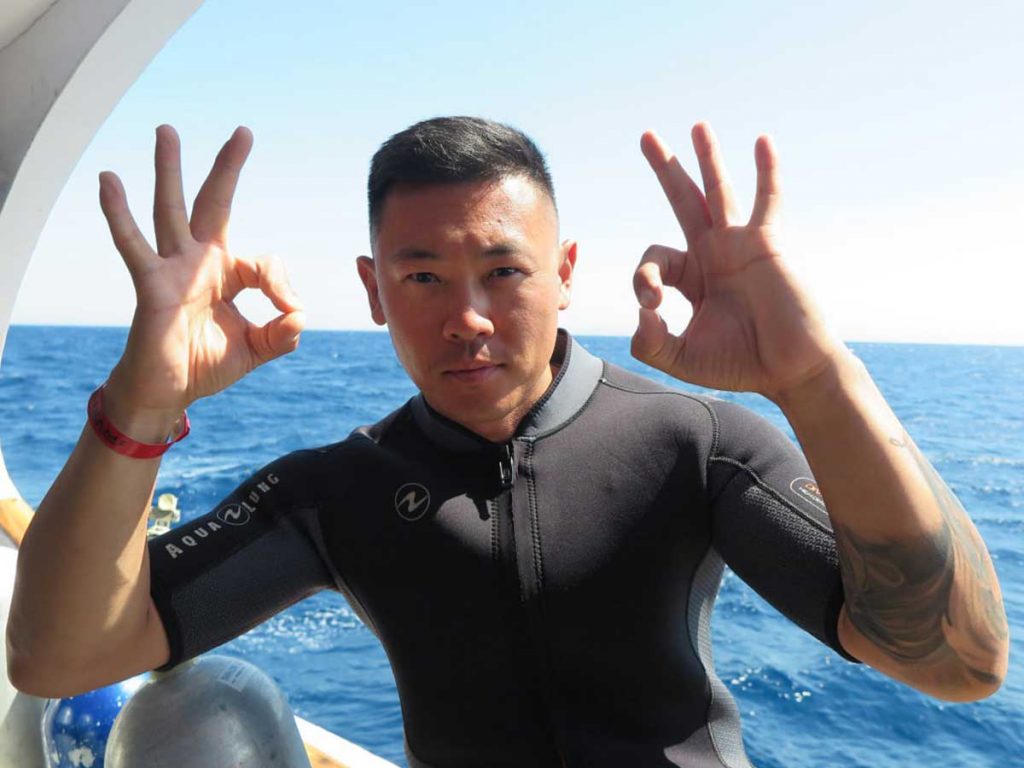
PADI, SSI, or CMAS: Which Diving Certification Should You Choose?
Choosing between PADI, SSI and CMAS diving courses in Hurghada can be confusing, especially for divers beginning their first certification or planning the next stage of their training. All three organizations provide internationally recognized scuba training, but their course structures, teaching systems and certification pathways are not exactly the same.
At Diving Around Hurghada Center, we work with divers from different training backgrounds, so the important question is not simply which organization is “best,” but which training pathway is most suitable for your experience, goals and future diving plans. This guide compares PADI, SSI and CMAS to help you understand their similarities and differences before choosing your course.
If you are ready to explore the actual programs available, visit our Diving Courses in Hurghada page for beginner, advanced, specialty and professional-level training. You can then use this comparison to better understand which certification system may suit you.
Discover the thrill of diving in Hurghada, a world-renowned diving destination, with our exclusive guide to PADI, SSI Dive Courses In Hurghada, and CMAS dive courses. Whether you’re a seasoned diver or a novice eager to explore the underwater world, Hurghada offers something for everyone.
Understanding Dive Certifications: PADI, SSI, and CMAS
Before we delve into the specifics of dive courses in Hurghada, it’s important to understand the primary dive certifications: PADI, SSI, and CMAS.
PADI: A Globaly Recoginzed Training System
The Professional Association of Diving Instructors (PADI) is one of the world’s most widely recognized scuba-diving training organizations, offering a structured progression from beginner certification through advanced, specialty, rescue and professional-level training. Its standardized course system makes it particularly convenient for divers who travel and want to continue their education at PADI dive centers in different destinations around the world.
Divers interested in following the PADI training pathway can explore our PADI Diving Courses in Hurghada, including beginner, advanced and specialty training options in the Red Sea.
SSI: Flexible and Digital-Focused Training
Scuba Schools International (SSI) also provides internationally recognized recreational and professional scuba training, with a strong emphasis on digital learning and flexible progression. SSI courses combine academic development with practical confined-water and open-water training, while allowing instructors to adapt the learning process to the student’s progress within the requirements of the program.
Divers who prefer the SSI training system can explore our SSI Diving Courses in Hurghada and compare the available certification levels and continuing-education options.
CMAS: A Club-Based International Diving System
CMAS (Confédération Mondiale des Activités Subaquatiques) is an international underwater federation founded in 1959 and is particularly well known for its one-star, two-star and three-star diver qualification system. Its training tradition places strong emphasis on practical diving experience, progressive skill development and increasing diver independence as experience grows.
Divers interested in this pathway can explore our CMAS Diving Courses in Hurghada to learn more about CMAS certification levels and training opportunities in the Red Sea.
PADI vs SSI vs CMAS: What Are the Main Differences?
PADI, SSI and CMAS all provide internationally recognized pathways for recreational scuba-diving education, but they organize and deliver their training differently. For most divers, the decision is less about which certification is “better” and more about the training style, instructor, course structure and long-term diving goals that suit them best.
Training Approach and Course Structure
PADI follows a highly standardized and modular training system. Divers normally progress through clearly defined certification levels and can continue with advanced, rescue and specialty training as their experience develops.
SSI also follows a structured certification pathway but places considerable emphasis on digital learning and allows flexibility in how instructors organize portions of the practical training while still meeting SSI training standards.
CMAS follows a more traditional federation-based approach, commonly recognized through its one-star, two-star and three-star diver levels. The system places strong emphasis on progressive diving experience, practical ability and developing greater independence as a diver.
International Recognition
PADI, SSI and CMAS certifications are widely recognized within the international diving community. A diver is therefore not permanently tied to the organization through which they originally learned to dive.
For example, someone who begins training with one organization can often continue appropriate further education through another organization, provided the existing certification satisfies the prerequisites of the new course.
This makes the quality of the instructor, training environment and actual diving experience particularly important when choosing where to learn.
Which Training System Is Best for You?
There is no single certification system that is automatically the best choice for every diver.
PADI can be an excellent choice for divers who value a highly standardized training pathway and want access to a very extensive international training network.
SSI may appeal particularly to divers who appreciate digital learning, flexible training progression and an integrated online record of their diving education.
CMAS can be attractive to divers who prefer a traditional federation-style training system with strong emphasis on practical experience and progressive diver development.
At Diving Around Hurghada Center, the objective is not simply to place a certification card in your hand. Good diver education should develop safe habits, confidence, buoyancy control, situational awareness and the ability to make responsible decisions underwater. Whichever certification system you choose, the quality of the training you receive is ultimately more important than the logo printed on the certification.
Compare Diving Courses in Hurghada
If you are still deciding which training path is right for you, explore our Diving Courses in Hurghada to compare beginner, advanced, rescue and specialty training available in the Red Sea.
Course Progression and Certification Levels
PADI, SSI and CMAS all provide structured pathways that allow divers to progress from beginner training to advanced, specialty and professional levels, but the way those levels are organized differs between the three systems.
PADI typically begins with the Open Water Diver course, followed by Advanced Open Water Diver, Rescue Diver and eventually Divemaster for those interested in professional-level training. Divers can also develop specific skills through specialty courses such as Deep Diver, Wreck Diver, Enriched Air Nitrox and Underwater Navigation.
SSI follows a similar progression from Open Water Diver into advanced training, specialty programs, Stress & Rescue and professional levels. One important difference is that some SSI recognition levels combine completed specialty training with a required number of logged dives, placing additional emphasis on accumulated diving experience.
CMAS traditionally uses a star-based certification system, progressing through levels such as One-Star, Two-Star and Three-Star Diver. The system places strong emphasis on developing practical ability and diving experience as the diver progresses to higher certification levels.
Despite the differences in terminology and progression, all three systems are designed to help divers build their knowledge, experience and underwater skills progressively. Divers can also continue their education with another recognized training organization rather than remaining with the same agency throughout their entire diving journey.
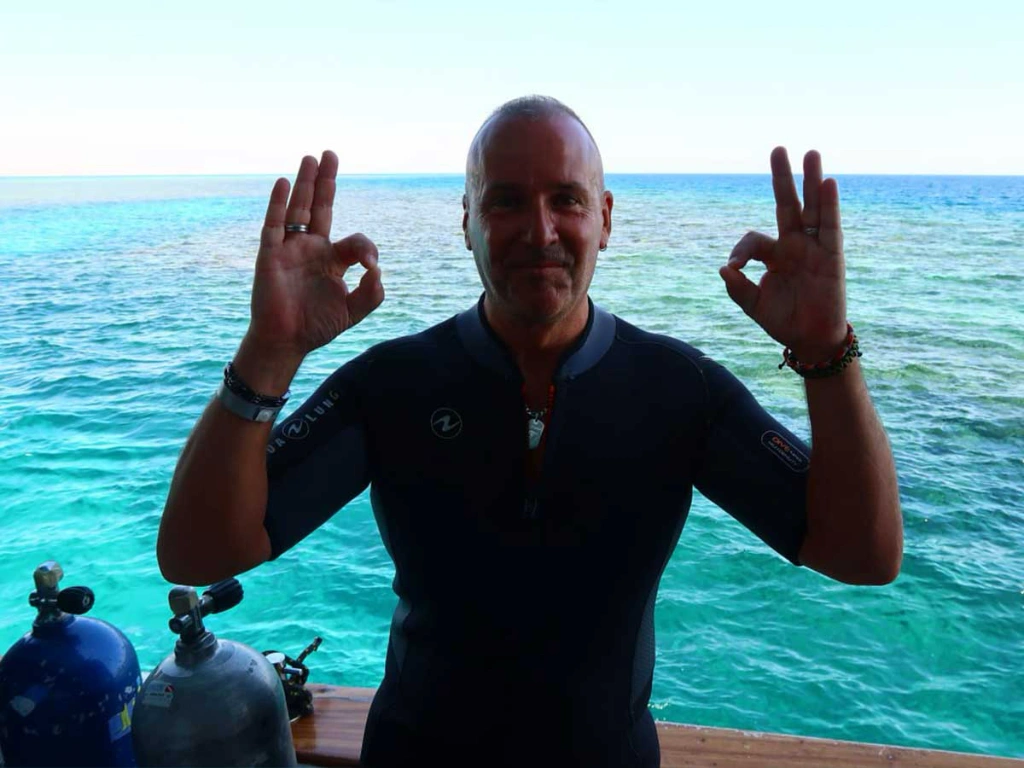
PADI Vs SSI And CMAS Dive Courses In Hurghada
International Recognition and Switching Between PADI, SSI and CMAS
PADI, SSI and CMAS certifications are widely recognized within the international diving community, allowing certified divers to use their qualifications at dive centers in destinations around the world. Although the names and progression levels differ between the organizations, recreational certifications are generally based on established training standards covering knowledge, practical skills and open-water experience.
Divers are also not permanently tied to the organization that issued their first certification. For example, a diver who completed an entry-level certification with PADI may later continue appropriate advanced or specialty training with SSI or CMAS, provided the existing certification meets the prerequisites of the new course. The same principle applies when moving between the other recognized training systems.
This means that when choosing a course, divers should consider more than the logo on the certification card. The quality of the instructor, training environment, course standards and amount of practical experience are equally important. A well-trained diver with strong skills and experience is ultimately more important than remaining with one training organization throughout every stage of diving education.
Which Diving Certification Is Best for You: PADI, SSI or CMAS?
There is no single diving certification system that is best for every diver. PADI, SSI and CMAS all offer established training pathways, but the right choice depends on how you prefer to learn, your diving goals and, importantly, the quality of the instructor and training center.
PADI may appeal to divers who prefer a highly standardized course structure and a clearly defined progression through recreational, specialty and professional training.
SSI can be particularly attractive to divers who appreciate digital learning, flexibility in the training process and a progression system that combines education with practical diving experience.
CMAS may suit divers who prefer a more traditional training approach with strong emphasis on practical skills, experience and progressive development through its star-based certification system.
For most new divers, however, choosing between PADI, SSI and CMAS should not be based on the agency name alone. A knowledgeable instructor, sufficient in-water training, good equipment, appropriate dive conditions and a professional dive center can have a much greater influence on the quality of your diving education.
At Diving Around Hurghada Center, we help divers choose a training pathway that matches their current certification, experience and future diving goals rather than simply recommending one organization for everyone.
PADI, SSI and CMAS Diving Courses in Hurghada
Hurghada is an excellent destination for completing scuba-diving training, with warm Red Sea waters, good visibility and a wide variety of dive sites suitable for different certification and experience levels. Divers can progress from beginner training to advanced, rescue and specialty courses while gaining practical experience in real Red Sea diving conditions.
At Diving Around Hurghada Center, we offer internationally recognized diving courses and help each diver choose a training pathway appropriate for their existing certification, experience and future goals. Whether you begin with PADI, SSI or CMAS, the priority is to receive professional instruction, sufficient practical training and the skills needed to become a safe and confident diver.
Explore our Diving Courses in Hurghada for available training programs, or discover our Specialty Diving Courses in Hurghada if you are already certified and want to develop skills such as deep diving, wreck diving, Nitrox, navigation or other specialty training.
Frequently Asked Questions About PADI, SSI and CMAS
Are PADI, SSI and CMAS Certifications Internationally Recognized?
Yes. PADI, SSI and CMAS certifications are widely recognized by dive centers around the world. This means divers completing their training while diving in Hurghada can normally use their certification when visiting other international diving destinations. Dive centers may also ask about recent diving experience, logged dives or additional qualifications depending on the type of diving planned.
Can I Switch from PADI to SSI or CMAS
Yes. Divers do not normally have to remain with the same training organization throughout their diving education. A diver certified through PADI may continue appropriate training with SSI or CMAS, and vice versa, provided the existing certification and experience meet the prerequisites of the new course. This flexibility is particularly useful in Hurghada diving, where instructors and dive centers regularly work with divers arriving with certifications from different international training organizations.
Is Hurghada Diving Suitable for Beginner Certification Courses?
PADI, SSI and CMAS can all provide suitable beginner training. For someone starting their diving in Hurghada experience, the choice should not be based solely on the certification agency. New divers should pay close attention to the quality of the instructor, amount of practical training, equipment, class size and professionalism of the dive center. Good instruction and sufficient time underwater are more important than simply choosing a particular logo.
Which Certification is Best for Beginner Diving in Hurghada?
PADI, SSI and CMAS can all provide suitable beginner training. For someone starting their diving Hurghada experience, the choice should not be based solely on the certification agency. New divers should pay close attention to the quality of the instructor, amount of practical training, equipment, class size and professionalism of the dive center. Good instruction and sufficient time underwater are more important than simply choosing a particular logo.
- Diving in Hurghada Diving Around Scuba Diving in Hurghada
- The Best Diving Centers in Hurghada: How to Choose the Perfect One for Your Dive Experience
- Master Diving Courses in Hurghada
- Diving For Beginner Best Price Top Diving Instructors in Hurghada
More blogs about diving in Hurghada
Solo Diver Certification in Hurghada: Become a Self-Reliant Diver
Discover the Solo Diver Certification in Hurghada and learn how experienced divers develop self-reliant…
Read More
Diving Hurghada Resort Stay vs Liveaboard: Which is Best?
Planning a Red Sea diving holiday? Compare resort daily diving and liveaboards in Hurghada, including…
Read More
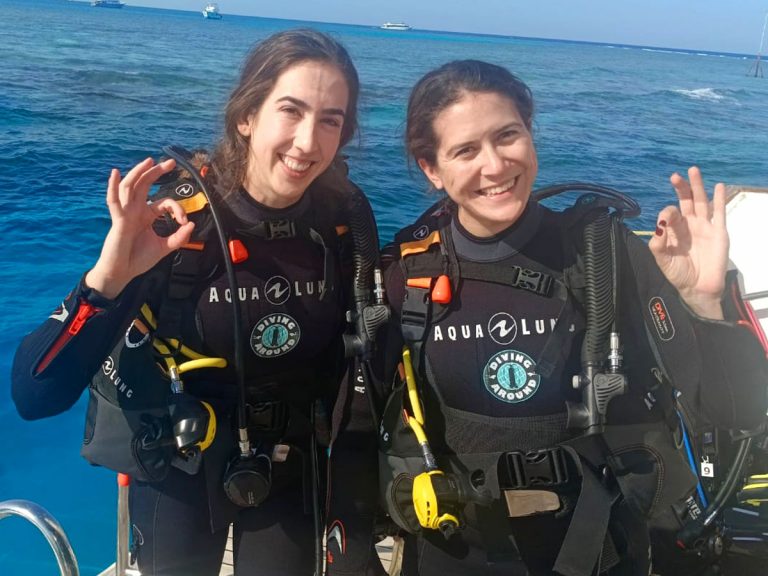
Diving Hurghada for Women: Safety, Solo Female Tips & Best Red Sea Experiences
Diving Hurghada as a woman is generally safe, fun, and empowering when you choose a reputable dive center,…
Read More
Best Time to Visit Egypt for Diving
The best time to visit Egypt for diving breaks into two distinct high seasons: spring (March to May)…
Read More
Diving Around Hurghada: Is It Good? A Guide to Red Sea Dive Sites & Costs.
Yes, diving around Hurghada is not just good—it’s a world-class experience. The Red Sea offers…
Read More
Diving Course Prices in Hurghada
Compare diving course prices in Hurghada for PADI, SSI, CMAS and SDI certifications. Explore beginner,…
Read More
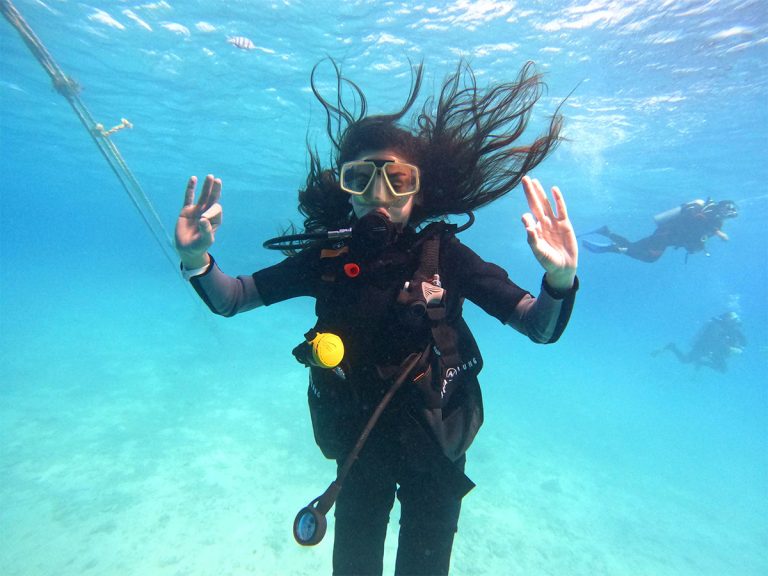
How to Get Scuba Diving Certification in Hurghada
Planning to become a certified diver in Hurghada? This guide explains certification options, course requirements,…
Read More
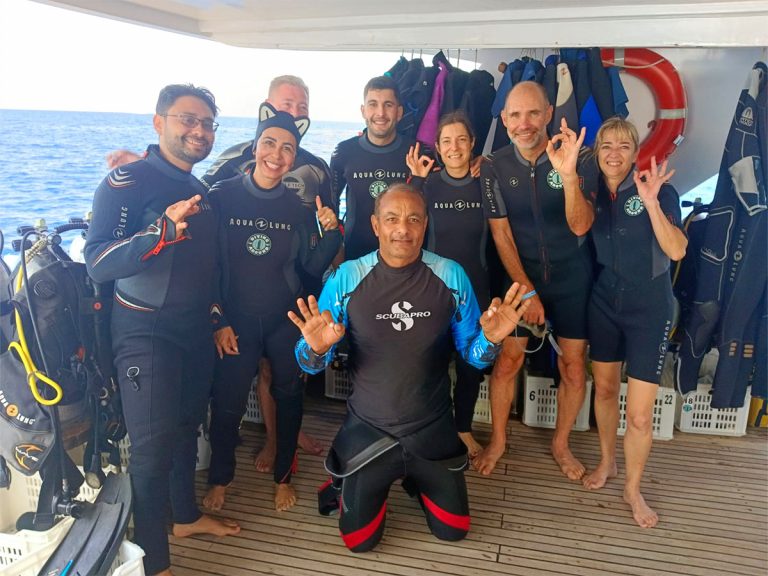
Booking Scuba Diving Hurghada with Groups: The Complete Guide
Organizing a group scuba diving trip to Hurghada is an exciting endeavor that promises incredible Red…
Read More
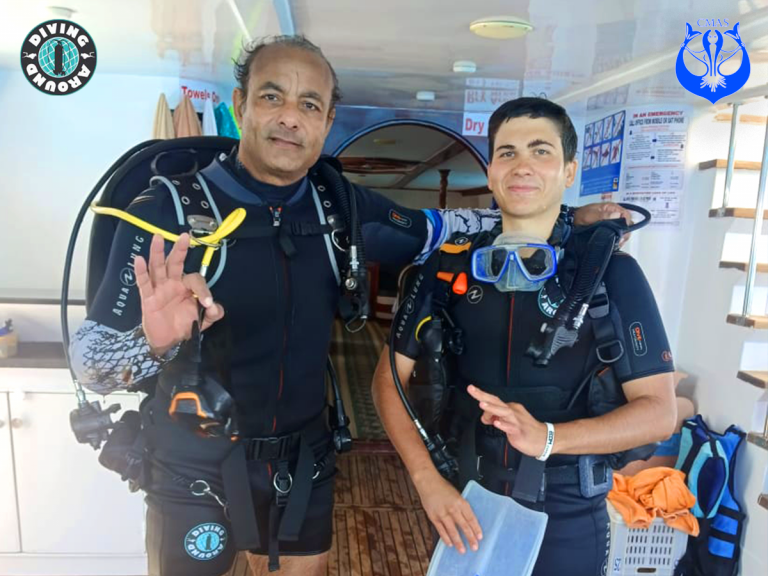
French CMAS Training in Hurghada | Certified Plongée with Diving Around
French CMAS Training with Diving Around: Your Gateway to Professional Diving in Hurghada
For divers…
Read More
French Diving Center in Hurghada For French-Speaking Divers
Discover scuba diving in Hurghada with experienced French-speaking dive professionals. Diving Around…
Read More
